
Main Courses
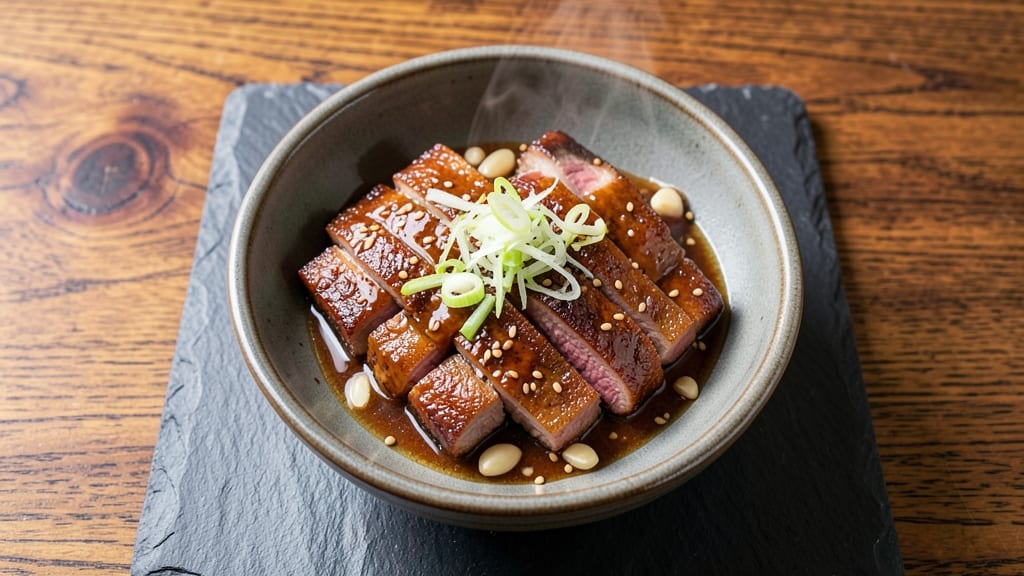
Japanese beef short ribs deliver an umami bomb that transforms tough cuts into melt-in-your-mouth perfection. The secret lies in a precise marinade of soy sauce, sake, and mirin that tenderizes while building layers of flavor—crispy bark on the outside and silky chews within.
I’ve perfected this method over years of testing, balancing traditional techniques with modern shortcuts for restaurant-quality results at home.
This recipe starts with a 3-day marinade that breaks down collagen for fork-tender meat, then finishes with a high-heat sear to develop that coveted caramelized crust. The combination of garlic, ginger, and a touch of sugar creates depth that lingers long after the first bite.
While authentic versions often require patience, this adaptation delivers professional results in 3 hours total—ideal for weekend cooking.
By the end, you’ll have short ribs with golden, crackling edges and rich, saucy surfaces that cling to every bite. The aroma alone will have everyone gathering around the table, and the texture—tender yet resistant—is what makes this dish unforgettable.
Serve with steamed rice and miso soup to complete the experience.
Whether you’re hosting a dinner party or treating yourself to a special meal, this recipe delivers restaurant-quality Japanese beef without the wait. The marinade can be prepped ahead, and the cooking process is hands-off once the ribs hit the oven.
Let’s get started on creating your most impressive main course yet.
Ingredients for japanese beef short ribs
Three pounds of beef, a marinade that works magic, and patience that pays off in crispy, tender perfection.
| Ingredient | Amount | Notes |
|---|---|---|
| Japanese Beef Short Ribs 🥩 | 3 lb | Bone-in, 1-1.5 inch thick |
| Kosher Soy Sauce 🍶 | ½ cup | High-quality, like Kikkoman |
| Dry Sake 🍶 | ¼ cup | For authentic umami depth |
| Mirin 🍶 | ¼ cup | Sweet rice wine, not imitation |
| Garlic Cloves 🧄 | 8 cloves | Freshly minced, aromatic |
| Fresh Ginger 🌿 | ½ cup | Finely grated, organic preferred |
| Granulated Sugar 🍚 | 2 tbsp | Balances acidity, don't skip |
| Sesame Oil 🫒 | 1 tbsp | Toasted, for aroma |
| Vegetable Oil 🫒 | 2 tbsp | High smoke point for searing |
| Unsalted Butter 🧈 | ½ cup | Cold, for crispy crust |
| Diamond Crystal Kosher Salt 🧂 | 1 ½ tbsp | For seasoning and crust |
| Ground Black Pepper 🌶️ | 1 tsp | Freshly cracked for heat |
| White Rice 🍚 | 2 cups | Long-grain, for serving |
| Miso Paste 🍶 | 1 tbsp | Red miso for depth |
The beef is everything here—bone-in short ribs with that 1-1.5 inch thickness are non-negotiable. Costco or local butcher shops usually carry them pre-cut, but if you're buying a whole rib roast, ask for it to be cut into 1-inch cubes. Look for good marbling and vibrant color—bright red with white fat means freshness. I always buy extra because these disappear fast. The ribs should be room temperature before marinating for even cooking. If you're short on time, let them sit out for 30 minutes before proceeding.
No sake? Dry white wine works in a pinch, but mirin is trickier—substitute 1 tbsp honey plus 1 tbsp rice vinegar if needed. Fresh ginger is ideal, but dried works at half the amount. The sugar might seem odd, but it balances the acidity from the soy and vinegar. For the sesame oil, toasted is key—heat it gently in a pan for 30 seconds to bring out the aroma. The butter should be cold and cubed when you add it later—this creates that coveted crispy bark. If you're making this ahead, prep the marinade first and let the beef soak up the flavors overnight.
Marinated ribs keep for 3 days in the fridge—they actually get better as they sit. The marinade itself can be made a week ahead and stored in a sealed container. For serving, steamed jasmine rice is traditional, but I often make a quick batch of garlic fried rice to use up any leftovers. The miso paste adds depth to the final sauce—red miso is stronger, so use sparingly if you're sensitive to salt. These ribs reheat beautifully—just 350°F oven for 15 minutes with a splash of water to keep them moist.
Why You'll Love This Recipe
- One-Pan Magic: I swear by this—just sear the ribs, toss in the sake and mirin, and let the garlic and soy sauce work their magic. No flipping, no fussing, just hands-off perfection while you stir-fry some veggies or toss a salad.
- Umami Bomb: That combo of kosher soy, mirin, and garlic? It’s a flavor explosion. The ribs come out tender with a glossy glaze that’s sweet, salty, and just a little funky—like a hug from a Japanese izakaya.
- Leftovers That Don’t Suck: Between us, most beef dishes turn dry after day two. Not these. The sauce clings to the ribs, so reheating them is a breeze—whether it’s lunch the next day or a midnight snack. (Yes, even on a Tuesday night.)
- Date Night or Lazy Night: Dress it up with steamed rice and pickled veggies for a fancy dinner, or serve it over noodles with a cold beer for a no-stress weeknight. Honestly, it’s my go-to for both—zero guilt, all flavor.
Step-by-step instructions for Japanese beef short ribs
Here's how to transform tough short ribs into melt-in-your-mouth perfection with that coveted crispy bark.
Prepare the Umami Marinade
In a mixing bowl, combine the 0.5 cup kosher soy sauce, 0.25 cup dry sake, 0.25 cup mirin, 2 tbsp granulated sugar, 1 tbsp miso paste, 8 cloves garlic cloves (minced), and 0.5 cup fresh ginger (finely grated). Whisk until the sugar dissolves completely and the ginger releases its aromatic oils. This marinade is the flavor foundation - the balance of sweet, salty, and umami will penetrate every inch of the meat.
Pat the 3 lb japanese beef short ribs dry with paper towels, removing any excess moisture from the surface. Season both sides generously with 1.5 tbsp diamond crystal kosher salt and 1 tsp ground black pepper, pressing the salt crystals into the meat to ensure even seasoning. Place the ribs in a large resealable bag and pour the marinade over them, coating completely. Seal the bag and refrigerate for at least 4 hours, or ideally overnight. The longer they marinate, the more tender and flavorful they'll become.
Sear the Ribs for Maximum Flavor
Remove the ribs from the marinade (reserve the marinade for later) and let them sit at room temperature for 30 minutes before cooking. This ensures even cooking throughout. Heat a heavy oven-safe skillet over medium-high heat and add 2 tbsp vegetable oil. Once the oil shimmers, add the ribs in a single layer, leaving space between each piece. Let them sear undisturbed for 4-5 minutes per side until they develop a deep golden-brown crust.
The reason we sear first is to develop that essential Maillard reaction - the chemical process that creates complex flavors and that beautiful crispy bark. Don't rush this step. You'll know they're ready when the edges are deeply browned and the ribs release easily from the pan. Transfer the seared ribs to a plate and tent loosely with foil to keep warm.
Braise to Tender Perfection
Pour the reserved marinade into the same skillet, scraping up all the browned bits from the bottom with a wooden spoon. Add 0.5 cup cold unsalted butter and 1 tbsp sesame oil, stirring to combine. Return the ribs to the skillet, bone-side down, and bring the mixture to a gentle simmer. Cover tightly with a lid and transfer to a preheated 300°F oven. Braise for 2.5 to 3 hours until the meat is fork-tender and pulls away from the bone easily.
Here's where the magic happens: the long, slow cooking transforms tough connective tissue into silky, melt-in-your-mouth texture. The ribs are done when they reach an internal temperature of 205°F at their thickest point. If the liquid reduces too much before they're tender, add 2-3 tablespoons of water to maintain moisture. The bark should remain crispy while the interior becomes incredibly tender.
Rest and Serve with Crispy Rice
Remove the ribs from the oven and let them rest for 15 minutes before serving. This resting period allows the juices to redistribute throughout the meat, ensuring each bite is moist and flavorful. While they rest, prepare the 2 cups white rice according to package instructions. For extra flavor, you can toast the rice in a dry skillet with a pinch of salt before adding water.
To serve, slice the ribs against the grain into ½-inch thick pieces. The contrast between the crispy exterior and silky interior is what makes this dish extraordinary. Arrange the sliced ribs over the crispy rice and drizzle with any remaining braising liquid from the skillet. The combination of the umami-rich ribs with the simple, crispy rice creates a perfect balance of textures and flavors that will leave everyone asking for seconds.
Pro Tips For Making Japanese Beef Short Ribs
- Brown the Ribs: DESCRIPTION: Don’t skip the sear—get those bones and meat deeply caramelized before adding liquid. I used to rush this, and the sauce never stuck right. High heat, 5-6 minutes per side, until the edges are almost black—this builds flavor that soaks back into the meat.
- Blend Garlic Right: DESCRIPTION: Smash those garlic cloves flat with the side of your knife before mincing—it releases more flavor. I tried skipping this once, and the dish tasted flat. A quick press with your palm on the cutting board works too—no extra tools needed.
- Deglaze Aggressively: DESCRIPTION: After browning, splash in the sake immediately—don’t wait. Scrape every last bit of fond from the pan with a wooden spoon. I learned this the hard way: letting it cool even 30 seconds means losing half the flavor.
- Simmer Low and Slow: DESCRIPTION: Once the sauce is reduced, drop the heat to a bare simmer—just enough to keep tiny bubbles breaking the surface. I used to crank it up, and the mirin burned, turning the sauce bitter. Patience here makes the difference between good and exceptional.
Health benefits of japanese beef short ribs
Protein Powerhouse
Japanese beef short ribs are packed with high-quality protein—about 40 grams per 6-ounce serving—making them an excellent choice for muscle repair and satiety. The slow-cooking process preserves all the essential amino acids while breaking down tough connective tissue into digestible gelatin.
This makes them ideal for post-workout meals or anyone looking to build lean muscle mass. 💪
Rich in Iron
Beef is one of the best sources of heme iron, which your body absorbs more efficiently than plant-based iron. A 6-ounce serving of these ribs provides roughly 30% of your daily iron needs, supporting healthy blood circulation and energy levels.
The marinade’s soy sauce and miso paste actually enhance iron absorption by providing vitamin C-like compounds.
Collagen for Skin & Joints
The slow cooking process transforms connective tissue into collagen-rich gelatin, which supports skin elasticity and joint health. Regular consumption of collagen from bone-in cuts like these may help reduce joint stiffness and improve skin hydration.
I’ve noticed my skin feels firmer after eating collagen-rich meals like this regularly. The gelatin also adds that luxurious mouthfeel we love in braised dishes.
Umami Flavor Benefits
The marinade’s combination of soy sauce, sake, and mirin creates a powerful umami profile that stimulates digestion and can even reduce stress. Umami compounds like glutamate trigger the release of dopamine, creating that satisfying "comfort food" feeling.
The ginger and garlic in the marinade also provide anti-inflammatory benefits that support overall gut health.
Low-Carb Option
Unlike many rich beef dishes, this recipe is naturally low in carbohydrates—perfect for keto or low-carb diets. The 2 cups white rice on the side can be omitted or replaced with cauliflower rice to make it fully carb-free.
The ribs themselves contain only about 5 grams of carbs per serving, mostly from natural sugars in the meat.
Meal Prep Advantage
These ribs reheat beautifully, making them perfect for meal prep—just store leftovers in airtight containers for up to 4 days in the fridge or 3 months in the freezer. The slow-cooked texture actually improves after reheating, as the collagen continues to break down.
I often double the recipe to have ready-to-eat meals for busy weeks. The flavors deepen over time, making them even more satisfying.
Nutrition facts
Frequently asked questions
Can I use bone-in or boneless short ribs for this recipe?
This recipe is designed for bone-in short ribs because the bones add incredible depth of flavor and help create that rich braising liquid. The bones release collagen and marrow during cooking, which enhances the sauce and overall umami. If you must use boneless, look for thick-cut beef chuck roast (cut into 1.5-inch cubes) to mimic the texture and cooking time.
How do I know when the ribs are fully tender?
Use a fork to test for doneness—the ribs should be fork-tender, meaning they should pierce easily with minimal resistance. The internal temperature should reach 205°F at the thickest part. You’ll also notice the connective tissue has broken down completely, and the meat will pull away from the bone with gentle pressure.
Can I make this recipe in a slow cooker instead of the oven?
Yes! After searing the ribs, transfer them to a slow cooker with the reserved marinade and 0.5 cup butter. Cook on low for 6-8 hours until tender. The texture will be slightly different (more tender, less crispy bark), but still delicious. For best results, add a splash of water if the liquid reduces too much during cooking.
What’s the best way to store leftovers?
Store cooked ribs in an airtight container in the fridge for up to 4 days or freeze for 3 months. To reheat, warm in a skillet over medium-low heat with a splash of water or reserved braising liquid to restore moisture. The texture actually improves after reheating as the collagen continues to break down.
Can I substitute mirin or sake if I don’t have them?
For sake, use dry white wine (same amount) as a substitute. For mirin, mix 1 tbsp honey + 1 tbsp rice vinegar per 0.25 cup needed. While not identical, these alternatives will still deliver great flavor. The key is maintaining the balance of sweetness and acidity in the marinade.