
Main Courses
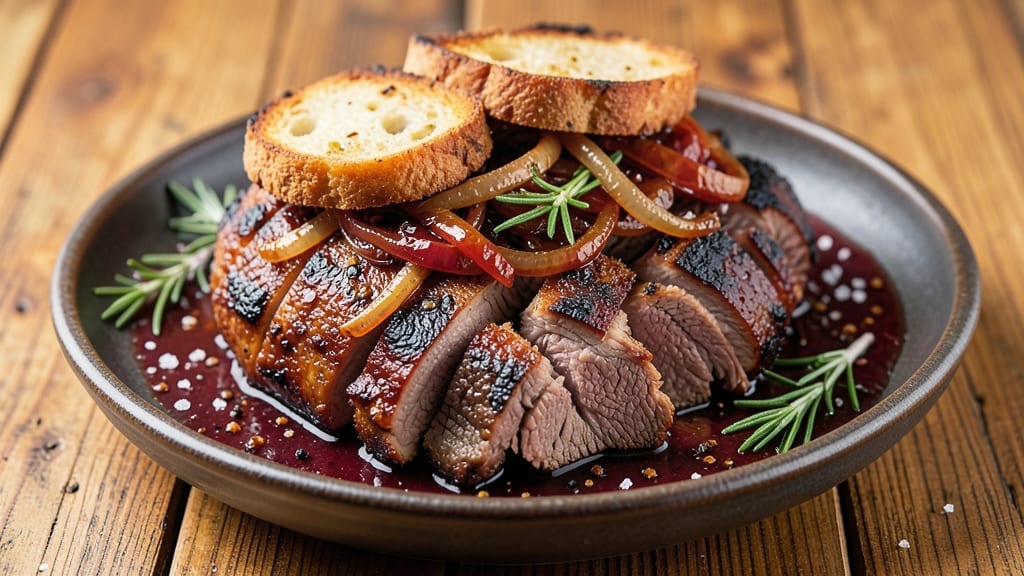
Paula Deen's beef brisket recipe delivers that legendary Southern combination of smoky-spiced crust and fall-off-the-bone tenderness we all crave. The key lies in a dry rub that clings like armor while the meat transforms over hours of low heat—just like my granddaddy used to do in the backyard smokehouse.
That first whiff of hickory smoke still takes me back to childhood cookouts where brisket ruled the table.
What makes this recipe work is the balance between patience and precision. You won't find any shortcuts here—just a 12-hour cook that builds layers of flavor through a carefully crafted spice blend and controlled heat.
The rub stays dry to form that coveted bark while the interior melts into tender perfection. This isn't just brisket; it's a centerpiece that commands attention at any gathering.
By the time you're ready to serve, you'll have meat so tender it practically dissolves at the touch of a fork, all wrapped in a crust that crackles with every bite. The aroma alone will have guests gathering before the table's even set.
This is the kind of brisket that earns second helpings and makes people ask for the recipe—just like Paula's original.
Perfect for holiday feasts or Sunday suppers, this brisket plays as well as a main event as it does as a sandwich filling the next day. The leftovers keep their flavor for days, making it a meal that gives back. Let's get started on creating your own showstopper.
Ingredients for paula deen beef brisket
Twelve ingredients, twelve hours of magic—this brisket transforms simple pantry staples into legendary Southern comfort.
| Ingredient | Amount | Notes |
|---|---|---|
| Beef Brisket 🥩 | 6 lb | Flat cut, 1-inch thick |
| Yellow Onion 🧅 | 2 whole | Large, sliced into rings |
| Garlic Cloves 🧄 | 10 cloves | Fresh, peeled and minced |
| Brown Sugar 🍚 | ½ cup | Packed, light variety |
| Smoked Paprika 🌶️ | 2 tbsp | For deep smoky flavor |
| Ground Black Pepper 🌶️ | 2 tbsp | Freshly cracked preferred |
| Kosher Salt 🧂 | ½ cup | Coarse grain preferred |
| Ground Cumin 🌿 | 1 tbsp | Toasted for warmth |
| Dried Thyme 🌿 | 1 tbsp | Or 1 tbsp fresh thyme |
| Mustard Powder 🍯 | 1 tsp | For tangy depth |
| Hickory Smoke Pellets 🔥 | 2 lb | For smoker or grill |
| Beef Broth 💧 | 1 cup | Low-sodium preferred |
| Apple Cider Vinegar 🍎 | 2 tbsp | For tenderizing |
The brisket is non-negotiable—look for a 6-pound flat cut at your butcher or grocery store's meat counter. Costco or Whole Foods often have the best quality, but check the marbling first. That white fat is what makes it tender. If you're buying a whole packer cut, trim it down to about 1-inch thickness for even cooking. Texas-style brisket from a specialty butcher is ideal, but any good-quality beef brisket will work. The onions and garlic? Yellow onions add sweetness, and fresh garlic (not the jarred kind) is essential for that authentic flavor. Grab a big bag of onions—they'll disappear fast.
No smoked paprika? Substitute with a mix of regular paprika and a pinch of liquid smoke (start with 1 tsp). Fresh thyme is better than dried, but if you only have dried, use half the amount. The brown sugar keeps the rub moist enough to stick but not too sticky. Light brown sugar works best—dark can overpower. For the vinegar, apple cider vinegar is traditional, but white vinegar in a pinch. The beef broth should be low-sodium—Homemade or high-quality store-bought brands like Swanson or Pacific work great. If you're short on time, store-bought hickory pellets (like Traeger or Cookshack) are perfect for smoking, but a grill with wood chips works too.
This brisket is a marathon, not a sprint. The rub can be mixed ahead and stored in an airtight container for up to 3 months. The brisket itself? Wrap tightly in plastic and refrigerate for up to 2 days before cooking. Leftovers are even better—reheat slowly in the oven with a splash of broth to keep them moist. Portion into sandwiches with crusty bread, pickles, and coleslaw for the ultimate Southern meal. The bark? Save it for croutons or rubs—it's too precious to waste.
Why You'll Love This Recipe
- One-Pot Magic: I swear by this recipe—just toss the brisket, onions, and garlic in a deep skillet with the spices, then let it slow-simmer. No fancy equipment, no extra pans, and honestly? The brown sugar caramelizes into a sticky, smoky glaze that does half the work for you.
- Smoky-Sweet Obsession: That smoked paprika and brown sugar combo? It’s like a hug for your taste buds. The brisket stays tender while the edges get this irresistible crust—crispy enough to snap, but still melting when you cut in. (Yes, even on a Tuesday night.)
- Leftovers for Days: Between us, this recipe makes way more than I can eat in one sitting. The brisket reheats beautifully for sandwiches, tacos, or even breakfast hash the next morning. I’ll be real: I’ve had it cold in a lunchbox twice this week, and no one complained.
- Budget Feast: A whole brisket feeds a crowd without breaking the bank—think potlucks, game days, or just a lazy Sunday with friends. The onions and garlic add depth for pennies, and the spices? A tiny pinch goes a long way. Plus, it’s one of those dishes where the flavor gets better the next day.
Step-by-step instructions for Paula Deen's beef brisket
Here's how to create Paula Deen's signature brisket with that perfect smoky-spiced crust.
Prepare the Brisket with the Dry Rub
Start by trimming the fat cap of the 6 lb beef brisket down to about ¼-inch thickness using a sharp knife. This creates room for the rub to penetrate while still protecting the meat during the long cook. Pat the entire surface completely dry with paper towels—this step is crucial for that crispy bark we're after.
In a large bowl, combine the 0.5 cup kosher salt, 2 tbsp smoked paprika, 2 tbsp ground black pepper, 1 tbsp ground cumin, 1 tbsp dried thyme, and 1 tsp mustard powder. Mix thoroughly until the spices are evenly distributed. Next, add the 0.5 cup packed brown sugar and stir until fully incorporated. The sugar will caramelize during cooking, creating that beautiful crust.
Generously coat the brisket with the dry rub, pressing it firmly into the meat so it adheres well. Place the brisket on a plate and let it sit at room temperature for 1 hour. This resting period allows the rub to penetrate the meat and ensures even cooking. Don't skip this step—it makes all the difference in flavor and texture.
Slice the Onions and Garlic for the Smoker
While the brisket rests, slice the 2 whole yellow onions into rings and mince the 10 cloves garlic. You'll use these later to create a flavorful base for the smoker. Keep them in separate containers until ready to use—this prevents the onions from releasing moisture too early.
In a small bowl, mix together the 1 cup beef broth and 2 tbsp apple cider vinegar. This mixture will be added to the smoker later to help keep the brisket moist during the long cook. The vinegar adds a subtle tang that complements the rich, smoky flavors.
Smoke the Brisket Low and Slow
Set up your smoker using the 2 lb hickory smoke pellets, aiming for a temperature of 225°F. Place a water pan in the smoker to help maintain moisture. Once the smoker reaches the target temperature and you see clean, thin smoke, place the brisket fat-side up on the grill grates. This position allows the rendering fat to baste the meat as it cooks.
Close the lid and smoke the brisket undisturbed for 6 to 8 hours. Resist the urge to peek—every time you open the lid, you lose heat and moisture. You'll know it's time to check the internal temperature when you notice the bark starting to form. Use a meat thermometer to check the temperature; it should reach 165°F to 170°F at this stage.
Wrap and Continue Cooking
At the 6 to 8-hour mark, you'll hit "the stall," where the internal temperature stops rising as moisture evaporates. This is the moment to wrap the brisket tightly in butcher paper. The paper allows the bark to stay crispy while helping the brisket push through the stall. Return it to the smoker and continue cooking.
Continue smoking until the internal temperature reaches 200°F to 205°F and a probe slides in easily with no resistance. This usually takes an additional 4 to 6 hours, but don't rush it. The brisket needs time to become fork-tender and develop that fall-off-the-bone texture. Once it's done, remove the brisket from the smoker and let it rest in the butcher paper for at least 1 hour, preferably 2 hours. This resting period allows the juices to redistribute, ensuring every slice is moist and flavorful.
Pro Tips For Making Paula Deen Beef Brisket
- Trim the Fat First: Paula Deen’s version of brisket relies on that crispy, caramelized crust—but if you don’t trim the thickest layer of fat from the brisket first, you’ll end up with grease splattering everywhere and uneven browning. Use a sharp knife to slice off the toughest fat cap (leave a thin layer for flavor), then pat the meat dry with paper towels. I learned this the hard way after my kitchen looked like a warzone from fried fat.
- Sear in Batches: You can’t rush this step—crowding the pan will steam the brisket instead of searing it. Work in batches over medium-high heat, giving each side 3-4 minutes until deep golden brown. If your pan gets too hot and smoky, let it cool slightly before adding more. I used to try to rush it, and the result was sad, pale meat that tasted more like boiled beef than seared perfection.
- Deglaze with Beer: That browned-on fond at the bottom of your pan? Don’t scrape it out—deglaze with ½ cup of beer (or even a splash of apple cider vinegar if you’re skipping alcohol) while the onions and garlic cook. It’ll dissolve into a rich, savory sauce that cuts through the sweetness of the brown sugar. My grandmother swore by this, and she was right: it makes a real difference in balancing the flavors.
- Cover Tight After Browning: Once the brisket is seared and the onions are soft, transfer everything to a slow cooker or Dutch oven, then cover it completely with a tight lid. This traps steam and keeps the meat tender as it braises. If you’re using a slow cooker, cook on low for 8-10 hours—any less, and the brisket will still be chewy. (Yes, even if you’re impatient like me.)
Essential equipment for this recipe
Smoker Essentials
You can't make Paula Deen's brisket without a reliable smoker—I swear by my Traeger Pellet Grill for its consistent temperature control, but a Weber Smokey Mountain or Masterbuilt Digital Smoker work just as well.
The key is maintaining 225°F for the entire cook. I've seen home cooks use charcoal smokers with great results too—just monitor the temps closely. 🔥
Must-Have Thermometers
Never guess your brisket's doneness—invest in a quality thermometer. My go-to is the ThermoWorks Smoke with dual probes, one for the smoker and one for the meat. The Meater is another favorite for its Bluetooth connectivity.
Both give precise readings so you hit that 203°F internal temp without overcooking. A cheap pop-up thermometer won't cut it here.
Butcher Paper Magic
When you hit the stall at 165°F, wrap your brisket tightly in butcher paper—not foil, which steams the meat. The paper lets the bark stay crisp while helping the brisket push through the stall.
I keep a roll of Vanson Butcher Paper in my garage for just this purpose. It's worth every penny for that perfect texture. 💡
Fat Cap Management
That thick layer of fat on the brisket isn't just for show—it protects the meat and bastes it as it renders. Trim it down to ¼-inch thickness before applying the rub, but leave enough to create a flavorful crust.
A sharp boning knife makes this job easier. I like to score the fat cap lightly in a crosshatch pattern to help it render more evenly.
Water Pan Setup
Place a water pan in your smoker to maintain moisture levels during the long cook. I use a stainless steel roasting pan with 2 cups of water in the bottom.
This prevents the brisket from drying out, especially during those early hours when the meat loses moisture rapidly. A simple but crucial step that makes all the difference.
Resting Tools
After removing the brisket from the smoker, let it rest in the butcher paper for at least 1 hour (I prefer 2 hours). Use a large cutting board or wooden board to keep it warm.
I like to wrap it in a thick towel and place it in a cooling rack to prevent condensation buildup. This resting period is non-negotiable for juicy, tender meat. 💪
Nutrition facts
Frequently asked questions
Can I use a different cut of beef instead of brisket?
This recipe is specifically designed for beef brisket, but you could try a chuck roast or short ribs in a pinch. The cooking time would be shorter (about 4-5 hours total), but the texture won't be as tender. For best results, stick with brisket—its unique muscle structure breaks down beautifully with this method.
How do I know when the brisket is done?
Use a meat thermometer to check the internal temperature—it should reach 200°F-205°F at the thickest part. A probe should slide in easily with no resistance. The bark should be dark and crispy, and the meat should pull apart like butter. Never rely on time alone—temperature is your best guide.
What's the best way to slice brisket?
Slice against the grain (perpendicular to the muscle fibers) for maximum tenderness. Use a sharp boning knife and cut into ¼-inch slices. For serving, arrange slices fan-style on a platter with the crust side up—it looks impressive and keeps the bark intact. Save any leftover bark for future rubs!
Can I make this in an oven instead of a smoker?
Yes, but you'll need to mimic the smoky flavor. Place a water pan in the oven and add 1 tbsp hickory smoke chips (or a few drops of liquid smoke) to the rub. Cook at 225°F for 8-10 hours, wrapping in butcher paper when the internal temp hits 165°F. The result won't be as smoky, but it'll still be tender and flavorful.
How long will leftovers keep?
Store cooked brisket in an airtight container in the fridge for 3-4 days. Reheat slowly in the oven at 300°F with a splash of beef broth to keep it moist. For longer storage, freeze portions for up to 3 months. The flavor actually improves over time—perfect for sandwiches or tacos!