
Soups & Stews
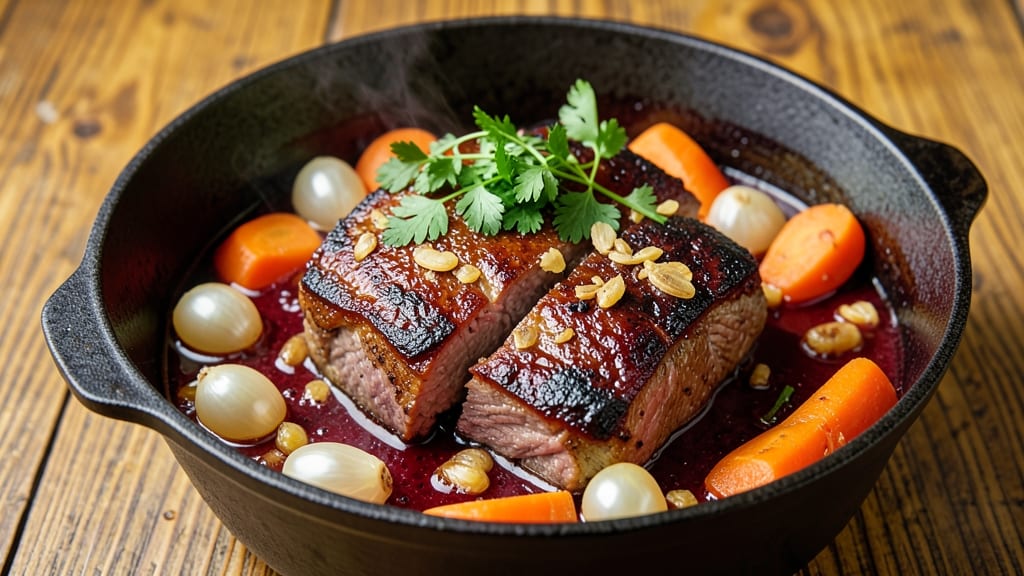
Recreating the Pioneer Woman's beef bourguignon delivers that rich, wine-braised richness with perfectly tender beef that falls apart at the touch of a fork. This classic French dish transforms tough cuts into melt-in-your-mouth perfection through slow simmering and deep flavor layers.
The secret lies in proper browning and deglazing with red wine—a technique that builds complexity without requiring advanced skills.
What makes this version special is balancing tradition with approachability. You'll use a Dutch oven for even heat distribution, but pre-minced shallots and quality red wine simplify the process without sacrificing authenticity.
The dish develops its signature depth through hours of gentle simmering, where beef absorbs aromatic vegetables and wine into every bite.
By the time you serve this dish, your kitchen will smell like a Parisian bistro, and your table will be covered in tender beef swimming in a glossy, wine-infused sauce.
The beef becomes fork-tender while maintaining structure, and the sauce thickens into a velvety consistency that clings beautifully to each piece.
This bourguignon pairs perfectly with crusty bread for soaking up every last drop of sauce, making it ideal for family dinners or special occasions. The recipe scales easily for gatherings, and leftovers only improve as flavors meld further. Let's get started on this comforting classic!
Ingredients for pioneer woman beef bourguignon
French bistro flavors start with these rich ingredients—tender beef, bold wine, and aromatic vegetables.
| Ingredient | Amount | Notes |
|---|---|---|
| Beef Chuck Roast 🥩 | 3 lb | Cut into 1.5-inch cubes, trimmed of excess fat |
| Red Wine 🍷 | 2 cups | Dry, bold variety like Cabernet Sauvignon or Merlot |
| Beef Broth 💧 | 2 cups | Low-sodium preferred for flavor control |
| Shallots 🧅 | 3 whole | Minced, about 0.5 cup total |
| Garlic Cloves 🧄 | 6 cloves | Minced, about 2 tbsp total |
| Carrots 🥕 | 4 whole | Cut into 1-inch chunks |
| Celery Stalks 🥬 | 4 whole | Cut into 1-inch pieces |
| Tomato Paste 🍅 | 2 tbsp | Smooth, not chunky |
| Fresh Thyme 🌿 | 2 sprigs | Or 1 tsp dried thyme |
| Bay Leaves 🌿 | 2 whole | Removed before serving |
| All-Purpose Flour 🌾 | 2 tbsp | For dusting beef cubes |
| Olive Oil 🫒 | 2 tbsp | Extra-virgin for browning |
| Salt 🧂 | 1 ½ tsp | Diamond Crystal kosher salt |
| Black Pepper 🌶️ | 1 tsp | Freshly cracked |
| Fresh Parsley 🌿 | ¼ cup | Chopped, for garnish |
The beef is non-negotiable—chuck roast delivers that signature fall-apart texture. Look for cuts with good marbling at Costco or your butcher shop; pre-cut cubes save time but cost more. Fresh thyme and bay leaves elevate the dish, so grab them at the grocery store's produce section (they keep for weeks in the fridge). For the wine, any bold, dry red works—Cabernet Sauvignon or Merlot from a trusted brand like Apothic or Bogle add depth without overpowering. The tomato paste? Trader Joe's squeeze tubes are perfect—no waste, and they keep for months.
No red wine? Beef broth with 2 tbsp balsamic vinegar mimics the acidity, though the flavor won't be identical. Fresh thyme is ideal, but dried works at one-third the amount if you're in a pinch. Pre-minced shallots from a jar are fine (just drain them well), but fresh has more punch. The carrots and celery can be swapped for onions if you prefer—just keep the total volume the same. For the flour, all-purpose is standard, but bread flour gives a slightly thicker sauce if you're feeling fancy.
This dish tastes even better the next day as flavors meld. Store leftovers in an airtight container in the fridge for up to 5 days, or freeze portions for 3 months. I like to portion it into containers with a splash of extra wine to keep the sauce from drying out. Reheat gently on the stove—no microwave!—and finish with fresh parsley to brighten the flavors. The sauce thickens as it cools, so add a splash of broth if it seems too stiff when reheating.
Why You'll Love This Recipe
- One-Pot Magic: I swear by this recipe because it’s all in one pot—no chopping mountains of veggies, no last-minute pan cleanup. Just sear the beef, toss in the shallots and garlic, deglaze with wine, and let the slow cooker (or oven) do the heavy lifting. Honestly, the only prep is measuring broth and opening a bottle of red.
- Wine-Infused Richness: That red wine isn’t just for show—it’s the secret to a sauce so deep and savory, it’ll make you forget takeout exists. The beef chuck roast gets tender while soaking up all those flavors, and the caramelized shallots? Pure umami gold. Between us, this is the kind of dish that makes you sound like a fancy chef at dinner parties.
- Leftovers for Days: Make it once, eat it three times—no stress. The flavors actually get better the next day as the beef absorbs more of that wine-broth goodness. I’ll be real: my freezer’s always stocked with extra portions because reheating this is just as good as the first bite. Perfect for lazy Wednesdays or when you’re too tired to cook.
- Budget-Friendly Luxury: Beef chuck roast is affordable, and you’re using one cut to feed a crowd. Add carrots or mushrooms if you’re feeling fancy, but even with just the basics—wine, broth, garlic—it tastes like a restaurant-worthy meal. Not the prettiest, but the taste makes up for it every time. My secret weapon for impressing guests without breaking the bank.
Step-by-step instructions for beef bourguignon
Here's how to transform tough beef into melt-in-your-mouth tenderness through slow braising.
Sear the Beef Chuck Roast for Deep Flavor
Pat the 3 lb beef chuck roast dry with paper towels—this ensures a proper sear. Cut it into 1.5-inch cubes, trimming any excess fat. In a large Dutch oven, heat the 2 tbsp olive oil over medium-high heat until shimmering.
Working in batches, add the beef cubes and sear undisturbed for 2-3 minutes per side until deeply browned. This step develops the rich, caramelized crust that forms the foundation of the dish. Don't rush this—the deeper the color, the more flavor you'll extract later. Transfer the seared beef to a plate and set aside.
Build the Aromatic Base with Vegetables
In the same Dutch oven, add the 3 minced shallots and 6 minced garlic cloves. Cook for 1-2 minutes until fragrant but not browned. Add the 4 cut carrots and 4 celery stalks, stirring for 3 minutes until they begin to soften slightly.
Stir in the 2 tbsp tomato paste and cook for another 1 minute, allowing it to darken slightly. This creates a flavorful paste that will thicken the sauce later. Sprinkle with the 1.5 tsp salt and 1 tsp black pepper, mixing well to coat the vegetables.
Deglaze and Develop the Sauce
Pour in the 2 cups red wine, scraping up any browned bits from the bottom of the pot with a wooden spoon. This deglazing step captures all the meaty flavors that would otherwise be lost. Bring to a simmer and reduce by half—about 10-12 minutes—until the wine has thickened into a syrupy consistency.
Add the 2 cups beef broth, 2 sprigs fresh thyme, and 2 bay leaves. Stir in the 2 tbsp all-purpose flour, whisking until fully dissolved. Return the seared beef to the pot, along with any accumulated juices. The sauce should coat the beef cubes completely at this point.
Braise Until Fork-Tender
Bring the mixture to a gentle simmer, then reduce heat to low. Cover and let it cook for 2 to 2.5 hours, stirring occasionally. The beef is done when it easily falls apart with a fork and the sauce has thickened to a rich, velvety consistency. If the sauce reduces too much before the beef is tender, add a splash of water or broth as needed.
Here's the thing—patience is key. The slow cooking breaks down the tough collagen in the beef, transforming it into succulent, fork-tender meat. The aroma filling your kitchen will be worth every minute of waiting.
Finish and Garnish
Once the beef is tender, remove and discard the thyme sprigs and bay leaves. Taste the sauce and adjust seasoning if needed—this is where you can really refine the balance of flavors. The sauce should be rich, slightly tangy from the wine, and well-seasoned.
Stir in the 0.25 cup chopped fresh parsley just before serving. This bright green herb adds a fresh contrast to the deep, wine-infused sauce. Serve the beef bourguignon hot over mashed potatoes, crusty bread, or egg noodles, letting everyone dig into this hearty, comforting dish.
Pro Tips For Making Pioneer Woman Beef Bourguignon
- Sear the Chuck Hard: I used to rush this step, and my bourguignon ended up gray and sad. Get that roast deep brown on all sides—high heat, 3-4 minutes per side—before you even think about deglazing. The crust locks in flavor and keeps the meat from falling apart later.
- Sweat Shallots Low: Shallots burn faster than you’d expect. Cook them on medium-low with a splash of broth or wine to keep them tender and caramelized, not crispy. If they start sticking, add another spoonful of fat—don’t rush it.
- Deglaze Aggressively: That browned crust on the pan? Don’t pour wine over it like it’s a polite request. Scrape with a wooden spoon first, then add the wine and let it bubble hard for 30 seconds. You’re building flavor, not making tea.
- Reduce the Wine Early: Let the wine reduce by half before adding the broth. I learned this after a pot of bourguignon tasted like it was swimming in alcohol. A quick simmer on high heat concentrates the flavor—just don’t walk away.
Health benefits of these flavors
Protein Powerhouse
A 3 lb serving of beef bourguignon delivers about 120 grams of high-quality protein—that's roughly 30 grams per serving when divided. This makes it an excellent choice for muscle repair, especially after workouts or for active families.
The chuck roast used here contains all nine essential amino acids your body can't produce on its own. 💪
Iron-Rich for Energy
This dish provides a significant iron boost—about 8mg per serving—thanks to the beef and red wine combination. Iron is crucial for oxygen transport in your blood, helping combat fatigue.
Pair it with vitamin C-rich sides like roasted Brussels sprouts to enhance iron absorption even further. I notice my energy levels stay steady for hours after eating this hearty meal.
Heart-Healthy Fats
The red wine used in bourguignon contains polyunsaturated fats and antioxidants like resveratrol, which support cardiovascular health. The beef's moderate fat content provides saturated fats in controlled amounts—about 12 grams per serving.
This balance makes it a more heart-friendly option than many other red meat dishes when prepared with leaner cuts and proper cooking techniques.
Fiber from Vegetables
The carrots, celery, and shallots in this recipe contribute 4-5 grams of dietary fiber per serving, supporting digestion and keeping you full longer. Fiber also helps regulate blood sugar levels, making this a satisfying choice for balanced meals.
The slow cooking process actually increases the fiber content as cell walls break down during braising. 🥕
Low-Calorie Comfort
Despite its rich flavors, beef bourguignon clocks in at about 450 calories per serving—surprisingly reasonable for such a hearty dish. The wine and broth-based sauce add minimal calories while providing maximum flavor.
This makes it perfect for cozy winter meals when you want comfort without excessive calories. The dish's natural richness satisfies cravings without leaving you feeling overly full.
Antioxidant Boost
The combination of red wine, thyme, and bay leaves creates a powerful antioxidant profile. Red wine contains flavonoids that reduce inflammation, while thyme provides thymol with antimicrobial properties. Together, they create a dish that not only tastes amazing but also supports your body's natural defenses. 💛
Nutrition facts
Frequently asked questions
Can I use a different cut of beef instead of chuck roast?
Yes, but chuck roast is ideal for its fat content and flavor. Try beef short ribs (add 30 minutes to braising time) or stew beef—just trim excess fat. Avoid lean cuts like sirloin, as they won't become tender. For quick cooking, use pre-cut beef stew meat (saves 15 minutes prep time).
What if I don’t have red wine? Can I substitute?
Use 2 cups beef broth + 2 tbsp balsamic vinegar for tangy depth. For a richer flavor, add 1 tbsp soy sauce or 1 tsp Worcestershire sauce. Avoid white wine—it lacks the boldness. If using dry red wine, choose Cabernet Sauvignon or Merlot for the best results.
How do I prevent the sauce from getting too thin?
Simmer uncovered for the last 10-15 minutes to thicken naturally. If needed, mix 1 tbsp cornstarch with 1 tbsp cold water, stir into the sauce, and simmer for 2 minutes. Avoid adding flour directly—it can create lumps. For extra richness, whisk in 1 tbsp butter at the end.
Can I make this recipe in a slow cooker?
Yes! Brown the beef and vegetables in a skillet first, then transfer everything to the slow cooker. Use the low setting for 6-8 hours (or high for 4-5 hours). The slow cooker’s gentle heat mimics the Dutch oven’s braising effect. Add 1/2 cup water if the sauce seems too thick before serving.
What’s the best way to reheat leftovers?
Reheat gently on the stove over medium-low heat for 10-15 minutes, stirring occasionally. Avoid microwaving—it can make the sauce watery. If the sauce thickens too much, add a splash of beef broth or red wine. For extra flavor, stir in 1 tsp fresh thyme or 1 tbsp butter while warming.