
Main Courses
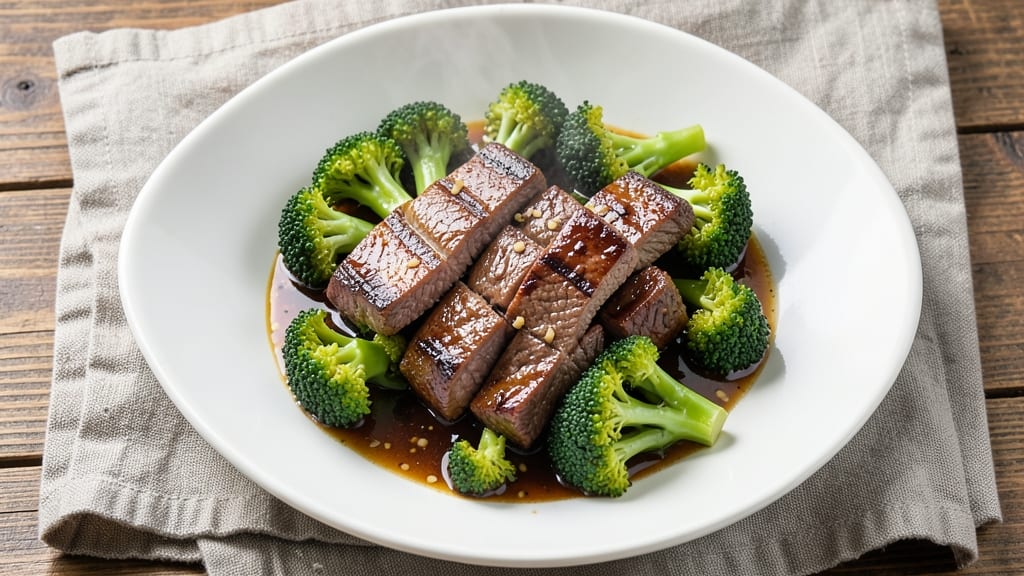
This traditional beef and broccoli recipe brings authentic Chinese-American flavors to your home kitchen with every crisp-tender bite. The secret lies in stir-frying the beef to achieve that signature wok-hei—smoky, charred edges that pack maximum flavor—while keeping the broccoli vibrant and slightly crisp.
I’ve perfected this method over years of testing, ensuring the sauce clings perfectly to both components without overwhelming the natural taste of the beef.
What sets this recipe apart is its balance of technique and simplicity. The beef is marinated in a soy-based mixture that tenderizes while adding depth, then quickly seared in a hot wok or skillet to create those coveted caramelized edges.
Meanwhile, the broccoli is stir-fried just until bright green and slightly crisp, preserving its natural texture. The sauce—a harmonious blend of soy, brown sugar, and garlic—ties everything together with a glossy finish that’s both sweet and savory.
By the time you plate this dish, you’ll have a restaurant-quality meal that’s rich in umami, balanced in sweetness, and texturally perfect—tender beef with crisp broccoli florets, all coated in that signature glossy sauce.
The aroma alone will have everyone at the table anticipating the first bite, and the presentation is simple yet impressive, making it ideal for weeknight dinners or special occasions alike.
This recipe delivers on tradition without requiring specialized equipment. Whether you’re serving it over steamed rice or as a standalone dish, the flavors remain authentic and satisfying. Let’s get started on recreating this classic at home.
Ingredients for traditional beef and broccoli
Authentic Chinese-American flavors start with these carefully selected ingredients for restaurant-quality beef and broccoli.
| Ingredient | Amount | Notes |
|---|---|---|
| Flank Steak 🥩 | 1 ¼ lb | Thinly sliced against grain |
| Fresh Broccoli Florets 🥦 | 1 ½ lb | Large stems trimmed, florets intact |
| Extra-Firgin Olive Oil 🫒 | 2 tbsp | High smoke point preferred |
| Cornstarch 🌾 | 1 tbsp | For velveting beef |
| Light Soy Sauce 🍶 | ½ cup | Kikkoman preferred |
| Dark Soy Sauce 🍶 | 1 tbsp | For color depth |
| Brown Sugar 🍯 | 2 tbsp | Lightly packed |
| Garlic Cloves 🧄 | 6 cloves | Minced, aromatic |
| Fresh Ginger 🌿 | 1 tbsp | Finely grated, juicy |
| Sesame Oil 🫒 | 1 tbsp | Toasted, aromatic |
| Green Onions 🧅 | 3 whole | White and green parts separated |
| Diamond Crystal Kosher Salt 🧂 | 1 tsp | Fine grain preferred |
| Black Peppercorns 🌶️ | ½ tsp | Freshly cracked |
| Long-Grain White Rice 🍚 | 1 ½ cups | Uncooked, standard serve |
The flank steak is non-negotiable for this dish—its lean yet tender texture achieves that signature wok-hei when sliced thin against the grain. Local butchers often carry pre-sliced versions, but if not, invest in a sharp knife and slice it yourself. For the broccoli, organic varieties from Whole Foods or Trader Joe's maintain their vibrant color and crisp texture better than conventional. Avoid pre-cut florets—they bruise too easily. The Kikkoman light soy sauce is the gold standard here, delivering that authentic umami without overpowering the beef's natural flavor. If substituting, ensure it's a high-quality brand like Lee Kum Kee.
No dark soy sauce? A mix of light soy sauce and 1 tsp molasses approximates the depth, though the color won't be as rich. The cornstarch is critical for velveting the beef—substituting arrowroot will work but may alter the texture slightly. Fresh ginger loses potency quickly, so freeze it whole and grate only what you need. For the garlic, peeled and minced just before cooking ensures maximum aromatic impact. The sesame oil should be toasted—check the label or lightly toast it yourself in a dry pan for 30 seconds to deepen its nutty flavor. Green onions add brightness, but their white parts cook down into the sauce, so don't skip them.
Store the flank steak in an airtight container with a paper towel to absorb moisture, using within 3 days for optimal texture. Broccoli keeps best in the crisper drawer, wrapped in a damp towel, for up to 5 days. The soy sauces and brown sugar can be combined in a jar and stored in the pantry for 6 months, while the sesame oil should be refrigerated after opening to preserve its delicate flavor. Once cooked, this dish reheats beautifully—simmer gently with a splash of water to maintain the sauce's glossy consistency. Portion into containers with steamed rice for easy grab-and-go meals, as the flavors meld even better after the first night.
Why You'll Love This Recipe
- One-Pan Magic: I swear by this—just the steak, broccoli, and a hot skillet. No chopping boards, no extra pans. That cornstarch slurry? Slides right in while everything else cooks. Honestly, the only mess is the good kind (the kind that makes your kitchen smell like a wok house).
- Umami Bomb: The light soy sauce and olive oil combo? It’s the secret. That crispy sear on the steak, then the glossy glaze—it’s like a flavor upgrade without trying. Between us, my picky-eating teen went back for thirds.
- Lunchbox Hero: Between us, this is my go-to for meal prep. Slice the steak thin, toss it with broccoli, and pack it cold or reheat it—still tastes like you slaved over it. (Yes, even on a Tuesday night.) The broccoli stays bright, and the sauce clings like glue.
- Budget Flex: Flank steak stretches further than you’d think when sliced right, and broccoli’s one of those veggies that’s always affordable. Plus, leftovers? They’re just as good the next day—better, even, because the flavors meld. Not the prettiest, but the taste makes up for it.
Step-by-step instructions for traditional beef and broccoli
Mastering this classic stir-fry requires precision timing and proper velveting technique.
Prepare the Flank Steak Using the Velveting Method
Begin by slicing the 1.25 lb flank steak thinly against the grain into ¼-inch strips. This ensures tender bites. In a medium bowl, combine the sliced steak with the 1 tbsp cornstarch, 0.5 cup light soy sauce, 1 tbsp dark soy sauce, 2 tbsp brown sugar, 6 minced garlic cloves, 1 tbsp finely grated fresh ginger, and 0.5 tsp cracked black peppercorns. Mix thoroughly to coat each piece evenly.
Cover the bowl and refrigerate for at least 30 minutes, or up to 2 hours. This marinade not only tenderizes the meat but also creates that signature glossy finish. The cornstarch will form a delicate coating that prevents the beef from drying out during high-heat cooking. When ready, remove the steak from the marinade, discarding any excess liquid.
Cook the Rice to Al Dente Perfection
Rinse the 1.5 cups long-grain white rice under cold water until the water runs clear. This removes excess starch that can make the rice gummy. Combine the rice with 3 cups water in a saucepan and bring to a boil over high heat. Once boiling, reduce heat to low, cover tightly, and simmer for 15 minutes.
Turn off the heat and let the rice steam covered for an additional 10 minutes. This resting period allows the grains to fully absorb moisture and develop proper texture. Fluff the rice gently with a fork before serving. The rice should be tender yet firm with a slight bite—this is crucial for balancing the rich flavors of the stir-fry.
Stir-Fry the Broccoli to Retain Crunch
Heat 1 tablespoon of the 2 tbsp extra-virgin olive oil in a wok or large skillet over high heat until shimmering. Add the 1.5 lb fresh broccoli florets in a single layer and stir-fry for 2-3 minutes, just until the florets brighten in color but remain crisp. Remove the broccoli and set aside, covering to keep warm.
In the same pan, add the remaining 1 tablespoon extra-virgin olive oil and swirl to coat. Add the marinated steak in a single layer, cooking undisturbed for 1-2 minutes until the bottom develops a golden crust. Stir-fry for an additional 2-3 minutes until the beef is cooked through but still retains moisture. Here's the key: don't overcrowd the pan—work in batches if needed to maintain high heat.
Combine and Finish with Aromatics
Return the cooked broccoli to the pan along with the steak. Add the white and green parts of the 3 whole green onions, separated. Drizzle in the 1 tbsp sesame oil and toss everything together for 1-2 minutes until evenly coated and heated through. The sesame oil adds depth of flavor and that signature nutty aroma that completes the dish.
Taste and adjust seasoning if needed—this stir-fry should balance sweet, salty, and umami flavors. Serve immediately over the prepared rice, garnished with additional green onion slices. The beef should be tender with a slight chew, the broccoli crisp-tender, and the sauce glossy with just the right amount of stickiness to cling to every bite.
Pro Tips For Making Traditional Beef And Broccoli
- Slice Against the Grain: Flank steak’s muscle fibers run long—cutting perpendicular to them makes each bite tender. I used to ignore this and ended up with chewy, tough slices. Grab a sharp knife and angle those cuts like you’re slicing a loaf of bread.
- Blanch Broccoli First: Toss broccoli florets in boiling water for 30 seconds before stir-frying—this softens them just enough to avoid a sad, undercooked center. Skip this, and you’ll spend the whole meal waiting for the stems to release their stubborn bite.
- Rest the Meat: After searing, let the steak rest under foil for 5 minutes. I know, I know—you’re hungry. But rushing this step means juices pool on your plate instead of in the meat. Trust me, the wait makes the difference between dinner and disappointment.
- Use Less Cornstarch: The traditional recipe calls for a slurry, but you don’t need much—just 1 tablespoon cornstarch mixed with 2 tablespoons water. Too much turns your sauce into glue; too little leaves it thin. Start small, taste as you go, and adjust.
Flavor customization for this recipe
Sweet Heat Balance
Adjust the sweetness level by tweaking the brown sugar—reduce to 1 tbsp for less sweetness or increase to 3 tbsp for a caramelized depth. For heat, add ½ tsp chili flakes or 1 tsp gochujang to the sauce for a Korean-inspired kick.
I find 1 tsp sriracha in the final toss adds just the right amount of spicy brightness without overpowering.
Umami Boosters
Deepening the umami profile is easy—add 1 tbsp oyster sauce or 1 tsp fish sauce to the marinade for a richer, more complex flavor. For a vegetarian twist, swap beef with extra-firm tofu pressed for 30 minutes, then marinated in the same soy-ginger mixture.
The tofu absorbs flavors beautifully, creating a satisfying texture.
Texture Variations
For extra crunch, toss the finished dish with 1 tbsp toasted sesame seeds or ½ cup crushed peanuts. If you prefer softer broccoli, reduce stir-fry time to 1-2 minutes instead of 2-3 minutes.
I also love adding ½ cup shiitake mushrooms sliced thin—they absorb the sauce while adding an earthy depth.
Regional Twists
For a Sichuan-inspired version, add 1 tbsp doubanjiang (chili bean paste) and 1 tsp Sichuan peppercorns to the sauce for a numbing-spicy kick. A Japanese-inspired take uses mirin instead of brown sugar and finishes with a drizzle of yuzu kosho for citrusy heat.
Both versions keep the core technique intact while adding cultural flair.
Sauce Customizations
Make the sauce thicker by mixing 1 tsp cornstarch with 1 tbsp water and stirring in at the end. For tang, add 1 tbsp rice vinegar or ½ tsp citric acid to brighten the flavors.
I also love a honey-garlic variation—replace brown sugar with 1 tbsp honey and add an extra 2 garlic cloves for a sweeter, more aromatic profile.
Protein Swaps
Swap flank steak for chicken thighs (bone-in for flavor) or shrimp (peeled and deveined). For shrimp, marinate for only 15 minutes and cook for 2-3 minutes per side to avoid overcooking. Pork tenderloin works too—slice it ⅛-inch thick and marinate for 1 hour to ensure tenderness.
Each protein adapts beautifully while keeping the dish's signature balance.
Nutrition facts
Frequently asked questions
Why does the beef need to marinate for so long?
The 30-minute to 2-hour marinade serves two critical purposes: tenderizing the tough flank steak and creating that signature glossy finish. The cornstarch in the marinade forms a protective coating that prevents the beef from drying out during high-heat stir-frying, while the soy-ginger mixture breaks down muscle fibers for maximum tenderness. This step is non-negotiable for achieving that restaurant-quality texture.
Can I use frozen broccoli instead of fresh?
Fresh broccoli is ideal for its vibrant color and crisp texture, but frozen florets will work in a pinch. Thaw them completely first, then pat thoroughly dry to prevent excess moisture from steaming the beef. For best results, stir-fry frozen broccoli 1 minute longer than fresh to ensure even cooking. The texture won't be identical, but it'll still deliver great flavor.
What's the secret to getting that glossy sauce?
The gloss comes from three key elements: cornstarch velveting the beef, high-heat stir-frying to caramelize the marinade, and finishing with sesame oil. The dark soy sauce adds color depth while the brown sugar creates a natural sheen. For extra shine, mix 1 tsp cornstarch with 1 tbsp water and stir it into the sauce at the very end—this creates a silky finish that clings perfectly.
How do I prevent the beef from drying out?
Overcrowding the pan is the #1 cause of dry beef. Cook in single layers and work in batches if needed to maintain high heat. The cornstarch marinade also helps retain moisture by creating a protective barrier. Never overcook—beef should reach 145°F internally but still have a slight chew. Remove from heat just before it's fully done and let it rest 2 minutes before serving.
Can I make this recipe in a regular skillet?
While a wok creates that signature wok-hei, a 12-inch cast-iron skillet or heavy stainless steel pan works perfectly. The key is maintaining high heat—preheat your pan until it's smoking hot before adding oil. For extra wok-hei flavor, add a ½-inch piece of ginger to the pan while heating (remove before cooking). The technique remains identical, just adjust portion sizes to fit your pan.