
Main Courses
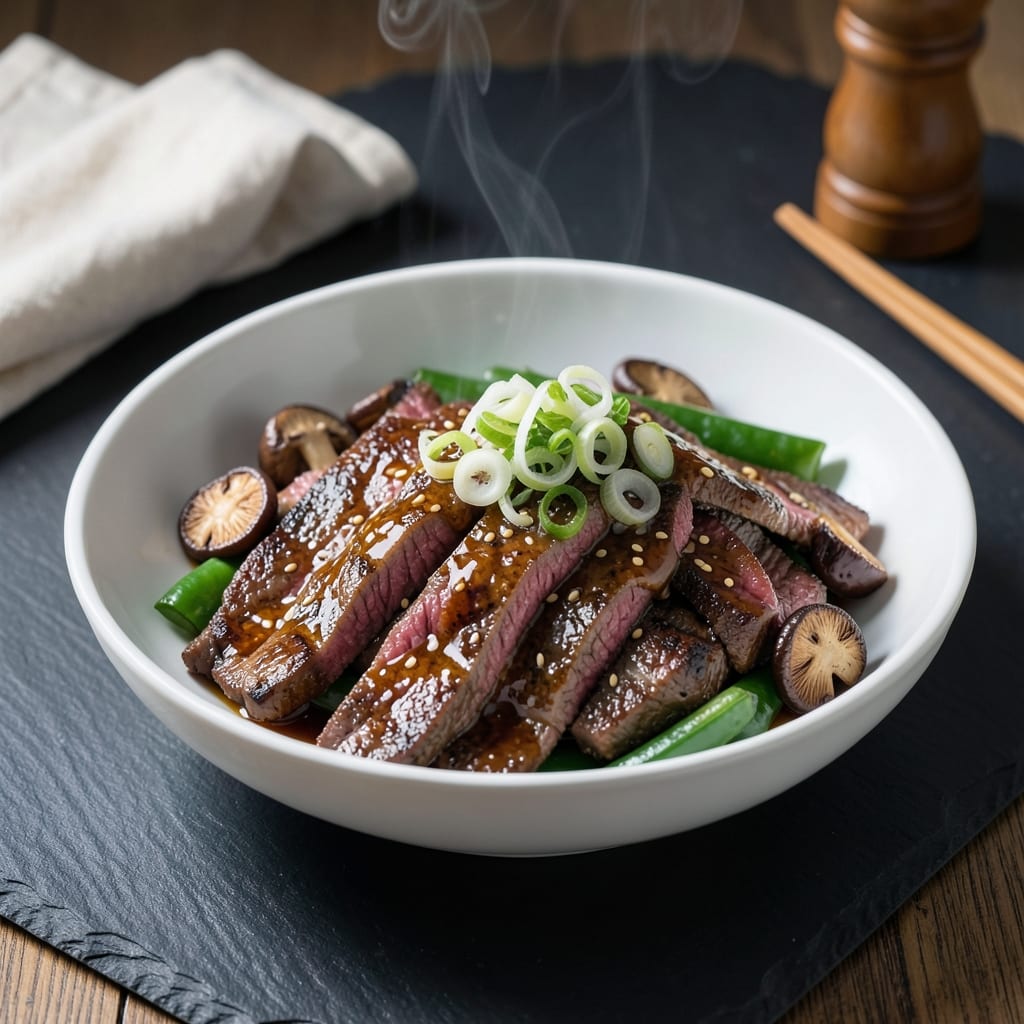
This Atkins beef teriyaki stir-fry delivers all the bold flavors of classic teriyaki without the carb overload—just 8 grams of net carbs per serving. The secret lies in a sugar-free sauce that still packs sweet-savory depth, while quick-cooking beef and crisp vegetables create a satisfying, protein-rich meal that keeps you full for hours. I developed this recipe after years of craving teriyaki but struggling to find a version that fit low-carb guidelines without sacrificing flavor.
The foundation is a foolproof marinade that tenderizes the beef while infusing it with umami, using coconut aminos instead of soy sauce and erythritol for sweetness. Stir-frying at high heat creates that signature caramelized crust on the beef, while mushrooms and bell peppers add texture and volume without carbs. The sauce reduces quickly to coat everything evenly, ensuring every bite delivers that familiar teriyaki experience—just with a fraction of the sugar.
What makes this dish truly special is how it balances restaurant-quality flavors with strict dietary needs. The beef stays juicy and tender, the sauce clings perfectly, and the vegetables maintain their crispness. Serve it over cauliflower rice or alongside steamed broccoli for a complete low-carb meal that still feels indulgent. This is teriyaki done right for anyone watching their carb intake.
Ready in just 25 minutes, this recipe is perfect for weeknight dinners or meal prep. The sauce can be made ahead, and the beef marinate while you prep vegetables—minimal effort for maximum flavor. Whether you're following Atkins or simply looking for a lighter take on teriyaki, this stir-fry delivers satisfaction without compromise.
Ingredients for atkins beef teriyaki stir fry
Quick grocery run for bold flavors—just 13 ingredients transform into restaurant-style teriyaki.
| Ingredient | Amount | Notes |
|---|---|---|
| Flank Steak 🥩 | 1 lb | Thinly sliced against grain |
| Coconut Aminos 🥄 | ½ cup | Soy sauce substitute for low-carb |
| Erythritol 🍯 | ¼ cup | Granulated sweetener |
| Sesame Oil 🫒 | 1 tbsp | Toasted for aroma |
| Garlic Cloves 🧄 | 4 cloves | Minced finely |
| Fresh Ginger 🌿 | 2 tbsp | Finely grated |
| Red Bell Pepper 🍆 | 1 whole | Sliced into strips |
| Shiitake Mushrooms 🍄 | 8 whole | Stems removed, sliced |
| Avocado Oil 🫒 | 2 tbsp | High smoke point |
| Green Onions 🧅 | 3 whole | Sliced thin for garnish |
| Sesame Seeds 🌾 | 1 tbsp | Toasted for crunch |
| Diamond Crystal Kosher Salt 🧂 | ½ tsp | For seasoning |
| Ground Black Pepper 🌶️ | ¼ tsp | Freshly cracked |
The beef is non-negotiable here—flank steak slices beautifully against the grain for that signature tenderness. Look for grass-fed options at Whole Foods if you want extra flavor, but regular supermarket flank works too. Slice it thinly before marinating, or it’ll stay tough. For the coconut aminos, Lai brand is my go-to—it’s the closest to real soy sauce without the carbs. Erythritol is the secret weapon for sweetness; Lakanto brand dissolves perfectly in sauces. Fresh ginger and garlic? Buy them pre-grated at Trader Joe’s to save time—just make sure they’re bright and fragrant, not wilted.
No coconut aminos? Low-sodium soy sauce plus extra erythritol works in a pinch, but the flavor won’t be identical. Fresh ginger too fibrous? Substitute 1 tbsp ground ginger, but toast it first in a dry pan for depth. The bell pepper and mushrooms can be swapped—zucchini or snap peas add a nice crunch if you’re avoiding mushrooms. Sesame oil is optional but adds that authentic wok-house aroma. Toast your sesame seeds in a dry pan for 30 seconds—they’ll be 100x more flavorful than straight from the bottle. For extra umami, add a dash of fish sauce to the marinade (if not strictly vegetarian).
Prep the sauce first—it only takes 5 minutes. Store it in an airtight container in the fridge for up to 5 days, or freeze for 3 months. The sliced beef and veggies keep separately for 2 days before stir-frying. Reheat everything in a wok or large skillet over high heat for 2-3 minutes—the sauce will cling perfectly. Leftovers? Portion into meal prep containers with cauliflower rice for grab-and-go lunches. The flavors actually improve the next day as everything melds.
Why You'll Love This Recipe
- One-Pan Magic: I swear by this recipe when I’m too tired to scrub pots—just sear the steak, toss in the veggies (if using), and let the coconut aminos caramelize. That sesame oil finish ties it all together with zero extra cleanup.
- Sweet-Savory Balance: The erythritol and coconut aminos create a glossy, tangy glaze that’s dangerously addictive—like teriyaki but with a crisp edge from the garlic and a hint of umami. Honestly, I’ve made it three times in a row without burning toast.
- Lunchbox Hero: Between us, this is my secret weapon for meal prep. Slice the cooled steak thin, pack it with cauliflower rice (or zucchini noodles), and it stays fresh for days. My daughter picks out the garlic bits, but still asks for seconds—proof it works.
- Budget Steakhouse Feel: Flank steak is affordable, and a single pound stretches across two meals easily. The coconut aminos and erythritol stretch the flavor further, so you’re getting restaurant-quality taste without the markup. (Yes, even on a Tuesday night.)
Step-by-step instructions for low-carb beef teriyaki stir-fry
Here's how to create a restaurant-quality wok stir-fry that keeps carbs in check while packing in bold flavors.
Prep the Flank Steak for Maximum Tenderness
Slice the 1 lb flank steak thinly against the grain into ¼-inch thick strips. This is crucial—thin slices ensure quick cooking and maximum tenderness. Pat the strips dry with paper towels to remove any moisture, which helps them sear properly instead of steaming in their own juices.
In a small bowl, mix together the 0.5 cup coconut aminos, 0.25 cup erythritol, 1 tbsp sesame oil, 0.5 tsp diamond crystal kosher salt, and 0.25 tsp ground black pepper. Add the steak strips to this marinade and toss to coat evenly. Let them marinate at room temperature for 15-20 minutes—this gives the flavors time to penetrate while keeping the texture tender.
Sear the Steak for Perfect Texture
Heat a large wok or skillet over high heat until it's smoking hot. Add 2 tbsp avocado oil and swirl to coat the bottom evenly. Working in batches if needed (don't overcrowd), add the marinated steak strips and let them sear undisturbed for 1-2 minutes per side until they develop a deep golden-brown crust.
Once the steak is browned, transfer it to a plate and set aside. The high heat is key here—it creates that perfect wok hei (breath of the wok) flavor while keeping the meat tender. If you notice the oil starts to smoke excessively, reduce the heat slightly but keep it on the higher side for that signature stir-fry texture.
Stir-Fry the Vegetables with Aromatics
In the same wok, add 2 tbsp fresh ginger and 4 cloves garlic cloves (minced), stirring for 30 seconds until fragrant. Add the 1 whole red bell pepper (sliced into strips) and 8 whole shiitake mushrooms (sliced), stirring constantly for 3-4 minutes until the vegetables soften slightly but still maintain their texture.
Here's where it gets good—toss in the seared steak strips and any accumulated juices from the plate. Stir-fry everything together for another 2 minutes, letting the steak soak up those beautiful vegetable juices. The vegetables should be tender-crisp with just a slight bite, not mushy.
Finish with Crunch and Garnish
Push the stir-fry to one side of the wok and add the 3 whole green onions (sliced thin) and 1 tbsp sesame seeds) to the empty space. Toast the sesame seeds for 30 seconds until they're fragrant and lightly browned—this adds a nutty crunch that complements the dish perfectly.
Give everything one final toss to distribute the toasted sesame seeds evenly. Taste and adjust seasoning if needed, adding a splash of water if the stir-fry appears too dry. Serve immediately over cauliflower rice or with steamed broccoli to keep it low-carb while maintaining that satisfying stir-fry experience.
Pro Tips For Making Atkins Beef Teriyaki Stir Fry
- Slice Thin, Sear Fast: Flank steak fights back when it’s thick—cut it against the grain into ¼-inch slices and sear in batches over high heat for just 1-2 minutes per side. I learned this the hard way: trying to cook thick slices in teriyaki sauce turns them tough, not tender.
- Toast the Garlic: Mince those garlic cloves first, then dry-toast them in sesame oil for 30 seconds until golden. The nutty aroma cuts through coconut aminos’ sharpness and adds depth—no, it’s not in the recipe, but trust me, it matters.
- Deglaze Early: After searing the beef, immediately pour in 2 tablespoons of coconut aminos and scrape the browned bits from the pan. Those bits pack flavor, and skipping this step means a bland sauce. (Yes, even if you’re impatient like me.)
- Simmer Low and Slow: Bring the sauce to a boil first, then reduce to a gentle simmer for 3-4 minutes. Rushing this makes the erythritol grainy and the sauce thin—like syrup instead of glossy glaze. Low heat is your friend here.
Storing and reheating your atkins beef teriyaki stir fry
Refrigerator Storage
Let your Atkins beef teriyaki stir-fry cool completely before storing—about 30 minutes at room temperature. Transfer to an airtight glass container (I love Leviton glass containers) and refrigerate for up to 4 days. The sauce will thicken slightly, but a quick stir with 1 tsp water restores its silky texture when reheating. Keep the cauliflower rice separate if prepping ahead to maintain crispness. 🥫
Freezer Prep Tips
For longer storage, freeze the stir-fry in single-serving portions using quart-sized freezer bags. Lay flat to save space and label with the date—this keeps for 3 months without texture loss. Thaw overnight in the fridge before reheating. Pro tip: Freeze the sauce separately if you prefer to reheat it fresh for maximum flavor impact. 🧊
Stovetop Reheating
My favorite method is stovetop—it revives the wok hei flavor perfectly. Heat 1 tbsp avocado oil in your wok over medium-high heat, then add the stir-fry. Cook for 3-4 minutes, stirring constantly, until everything is heated through to 165°F internally. The residual sauce will cling beautifully, giving you that fresh-off-the-wok experience. 🔥
Microwave Revival
For quick meals, microwave individual portions on high for 1-2 minutes, stirring halfway. Add 1 tbsp water or beef broth to prevent drying. The texture won't be identical to stovetop, but it's a great option when you're short on time. I find this works best for the beef and veggies separately—reheat the sauce in a small bowl first for best results. ⏱️
Meal Prep Pro Tips
Prep components separately for maximum freshness: marinate the beef, slice the veggies, and make the sauce ahead. Store them in stackable glass containers in your fridge. When ready to cook, simply stir-fry everything together—this keeps the vegetables crisp and the beef tender. I also recommend keeping a small bag of sesame seeds toasted and ready to sprinkle fresh for that restaurant-quality finish. 💡
Cauliflower Rice Handling
If serving with cauliflower rice, store it separately in the fridge for up to 3 days. To reheat, microwave for 1-2 minutes with a splash of water, then stir well. For extra flavor, toss with ½ tsp toasted sesame oil and a pinch of salt before serving. This keeps your low-carb base from getting soggy when combined with the stir-fry. ✨
Nutrition facts
Frequently asked questions
Can I substitute regular soy sauce in this Atkins-friendly recipe?
You can try, but the flavor won't be identical. Regular soy sauce contains 3-4 grams of carbs per tablespoon, which adds up quickly. For best results, use coconut aminos (like Lai brand) or mix low-sodium soy sauce with extra erythritol to compensate for the sweetness difference. The coconut aminos provide a cleaner, more authentic teriyaki profile without the carb impact.
How do I prevent the beef from becoming tough when stir-frying?
Slice the flank steak thinly against the grain (¼-inch thick) and marinate for 15-20 minutes—this keeps it tender. Use high heat and don't overcrowd the pan. Cook in batches if needed, and sear each side for just 1-2 minutes until golden. The key is quick cooking at high temperature to lock in juices.
What's the best low-carb alternative to white rice for serving?
Riced cauliflower is the classic choice, but you can also use shredded cabbage, zucchini noodles, or spaghetti squash. For extra flavor, sauté cauliflower rice in 1 tsp sesame oil with a pinch of salt before serving. Each option adds 5 grams or fewer net carbs per serving, keeping your meal strictly low-carb.
Why does my sauce taste too sweet or not sweet enough?
Adjust the erythritol to taste—start with 0.25 cup and add 1 tbsp at a time if needed. For depth, add ½ tsp xanthan gum to thicken the sauce or 1 tsp apple cider vinegar for tang. Simmer the sauce alone for 2-3 minutes before adding to the stir-fry to let flavors meld. The heat helps balance sweetness naturally.
Can I make this recipe in a regular skillet instead of a wok?
A 12-inch cast-iron skillet works perfectly—just use high heat and keep the food moving constantly. The key is maintaining that wok hei (breath of the wok) flavor by cooking quickly. If your skillet isn't large enough, cook in two batches to avoid overcrowding, which steams instead of sears the beef.