
Soups & Stews
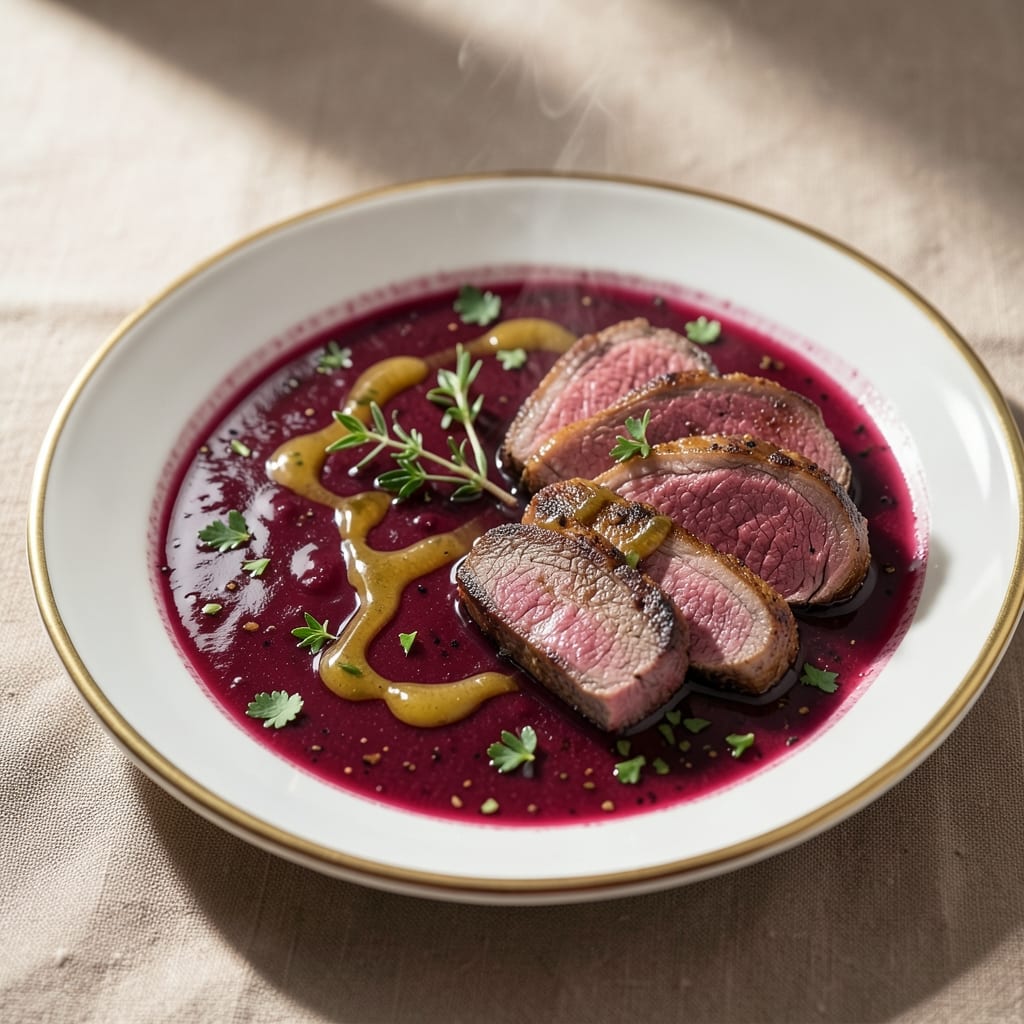
This au jus recipe with beef consommé transforms simple pan drippings into a rich, velvety sauce that enhances any beef dish. The secret lies in deglazing roasted beef bones with red wine and beef consommé, then reducing until thick and glossy. It’s the kind of sauce that turns a basic meal into something restaurant-worthy with minimal effort.
Start with beef consommé as your flavor base—it carries the deep, umami-rich essence that defines authentic au jus. Deglazing the pan with red wine and Worcestershire sauce unlocks layers of complexity, while fresh herbs and a touch of Dijon mustard balance the richness. The result? A sauce that clings to meat, amplifying every bite with savory depth.
This sauce is incredibly versatile—drizzle it over steak, roasted beef, or even mashed potatoes for an instant upgrade. It keeps well in the fridge for up to 5 days or freezes beautifully for months, making it a pantry staple. The key is patience: letting it reduce slowly ensures a glossy, concentrated flavor that’s impossible to resist.
For best results, use high-quality beef consommé and don’t rush the reduction. A few extra minutes on the stove will make all the difference. Serve immediately for the most vibrant flavor, or reheat gently to preserve its velvety texture. Perfect for feeding a crowd or elevating a simple weeknight dinner.
Ingredients for au jus recipe with beef consomme
High-quality beef consommé and bold red wine form the backbone of this restaurant-worthy au jus.
| Ingredient | Amount | Notes |
|---|---|---|
| Beef Consommé 🥩 | 2 cups | High-quality, store-bought or homemade |
| Red Wine 🍷 | ½ cup | Bold, dry variety like Cabernet Sauvignon |
| Worcestershire Sauce 🧂 | 1 tbsp | For umami depth |
| Dijon Mustard 🌶️ | 1 tsp | Balances richness |
| Fresh Thyme Leaves 🌿 | ¼ cup | Chopped, or dried at 1/4 amount |
| Fresh Parsley Leaves 🌿 | ¼ cup | Chopped, for brightness |
| Extra-Virgin Olive Oil 🫒 | 1 tbsp | For glossy finish |
| Beef Drippings 🍲 | 2 tbsp | From roasted beef pan |
| Salt 🧂 | ½ tsp | Kosher or sea salt |
| Black Peppercorns 🌶️ | ¼ tsp | Freshly cracked |
The beef consommé is non-negotiable—store-bought brands like Swanson or homemade work best. For red wine, Cabernet Sauvignon or Merlot add the most depth, but any bold, dry red will do. Fresh thyme and parsley elevate the sauce, but dried herbs at one-quarter the amount are a solid backup. Look for high-quality consommé with rich color and deep flavor—avoid anything that smells flat or metallic. The drippings from your roasted beef pan are where the magic happens, so don’t skip scraping them into the sauce.
No red wine? Beef broth with a splash of balsamic vinegar mimics the acidity. Short on fresh herbs? Dried thyme and parsley at one-quarter the amount work in a pinch. The Dijon mustard adds a subtle tang—substitute with lemon juice if you’re avoiding mustard. For a richer sauce, add a splash of beef stock during reduction. The olive oil at the end isn’t just for gloss; it helps emulsify the sauce for a silky texture. If your sauce is too thin, reduce longer or add a cornstarch slurry.
This sauce peaks when served immediately, but it reheats beautifully—just warm gently on the stove. Store in an airtight container in the fridge for up to 5 days or freeze for 3 months. For leftovers, add a splash of water or consommé before reheating to restore its velvety consistency. The sauce thickens as it cools, so don’t over-reduce. A fine-mesh strainer ensures a smooth finish if you prefer no herb bits—though I like the texture they add.
Why You'll Love This Recipe
- Here’s what sold me: the red wine and Worcestershire sauce turn that basic consommé into something deep—earthy, slightly tangy, with just enough brightness to cut through richness. Sprinkle in fresh thyme at the end? Absolute game-changer. (Yes, even on a Tuesday night.)
- Pan So Simple: I swear by this—just heat the consommé, toss in the wine and mustard, and let it simmer. No chopping, no fuss, just 15 minutes of hands-off magic while you chop veggies or fold laundry. That’s the kind of recipe that makes me feel like a hero without trying.
- Wine-Infused Magic: Here’s what sold me: the red wine and Worcestershire sauce turn that basic consommé into something deep—earthy, slightly tangy, with just enough brightness to cut through richness. Sprinkle in fresh thyme at the end? Absolute game-changer. (Yes, even on a Tuesday night.)
- Leftovers? No Problem: This sauce doesn’t just disappear after one meal—it begs for seconds. Use it to glaze roasted potatoes, drizzle over grilled steak the next day, or even toss with mashed potatoes for a fancy touch. My freezer’s always stocked with it; it’s my secret weapon for lazy dinners.
Step-by-step instructions for deep-roasted beef consommé au jus
Transform simple ingredients into a rich, velvety au jus that captures all the deep-roasted beef flavors.
Bloom the Aromatics in Beef Drippings
Heat the 2 tablespoons beef drippings in a medium saucepan over medium heat until shimmering but not smoking. Add the 0.25 cup chopped fresh thyme leaves and 0.25 cup chopped fresh parsley leaves, stirring constantly for 30 seconds until fragrant. This step unlocks their essential oils and forms the aromatic base of your sauce.
Watch closely—the herbs should release their scent within seconds, but don't let them brown or they'll turn bitter. The thyme will give earthy depth while the parsley adds bright freshness to balance the richness. Keep the heat moderate to prevent burning these delicate leaves.
Build Richness with Wine and Consommé
Pour in the 0.5 cup red wine and 2 cups beef consommé, scraping the bottom of the pan to release any browned bits. Bring to a gentle simmer over medium-high heat and cook uncovered for 8-10 minutes until reduced by about one-third and slightly thickened.
This reduction concentrates the flavors while the alcohol content evaporates, leaving behind complex wine notes. You'll notice the sauce darken slightly as it reduces—this indicates proper concentration. If it reduces too quickly, lower the heat slightly to maintain control.
Incorporate Umami and Seasoning
Stir in the 1 tablespoon Worcestershire sauce, 1 teaspoon Dijon mustard, 0.5 teaspoon salt, and 0.25 teaspoon freshly cracked black peppercorns. Simmer gently for 3-4 minutes until the sauce reaches your desired consistency—it should coat the back of a spoon but remain pourable.
The Worcestershire adds savory depth while the Dijon mustard cuts through the richness. The salt and pepper should be incorporated completely, but don't over-simmer or the flavors will become flat. Taste and adjust seasoning if needed—this is your final opportunity to balance the sauce.
Finish with Olive Oil for Gloss
Remove the pan from heat and stir in the 1 tablespoon extra-virgin olive oil. This not only adds a silky finish but also helps emulsify the sauce for a velvety texture. Let the sauce rest for 2-3 minutes to allow all the flavors to meld completely.
The olive oil should integrate smoothly, giving the sauce a glossy appearance and rich mouthfeel. If you're serving immediately, gently reheat just before pouring over your beef. For best results, strain through a fine-mesh sieve to remove any herb bits if you prefer a completely smooth sauce.
Pro Tips For Making Au Jus Recipe With Beef Consomme
- Reduce the Wine First: Skip the slow simmer—deglaze your pan with just a splash of red wine (about 2 tablespoons) instead of dumping in the whole bottle. Let it boil hard for 30 seconds until it’s nearly evaporated, then add the consommé. This concentrates the flavor without making the sauce taste like you’re drinking it straight.
- Strain the Consommé Twice: If your consommé has sediment or looks cloudy, strain it through a fine-mesh sieve and a coffee filter lined in cheesecloth. I learned this the hard way—once I served a sauce with bits floating in it, and it ruined the whole dish. Clarity matters more than you’d think.
- Temper the Mustard: Whisk the Dijon into the warm (not boiling) consommé mixture first, then add the Worcestershire and wine. Cold mustard clumps like glue in hot liquid, and nobody wants to deal with that. A quick 10-second stir with a fork before pouring makes all the difference.
- Save the Wine Sediment: After pouring the red wine into your pan, scrape the sticky bits from the bottom with a wooden spoon and add them back to the sauce. That’s where half the flavor hides—caramelized bits that make your au jus taste like it was made by someone who actually likes cooking. (Yes, even if you’re impatient like me.)
Perfect pairings for these flavors
Steak Pairing Perfection
This au jus transforms a simple steak dinner into a restaurant-quality experience. I love drizzling it over a perfectly cooked ribeye or New York strip steak—the rich, savory sauce enhances every bite. For best results, serve the steak medium-rare (130-135°F internal temperature) and spoon the warm au jus over the top. 🥩
The sauce also elevates beef tenderloin or filet mignon, especially when paired with roasted garlic mashed potatoes. For a heartier option, try it with beef short ribs or pot roast—the au jus clings beautifully to tender meat and adds depth to the dish.
Roasted Beef Complements
Roasted beef dishes benefit immensely from this sauce. After roasting a prime rib or beef brisket, pour the au jus over the sliced meat before serving. The sauce's velvety texture contrasts perfectly with the caramelized crust of roasted beef. I often serve it with creamy horseradish sauce on the side for an extra kick. 🍖
For a complete meal, pair the au jus with roasted root vegetables like carrots, parsnips, and potatoes. The earthy flavors of the vegetables complement the sauce's richness, creating a balanced plate. The au jus also works wonderfully with grilled asparagus or sautéed green beans for a lighter touch.
Unexpected Pairings
Don't limit this sauce to beef dishes—it's surprisingly versatile. Drizzle it over beef Wellington before baking for extra moisture and flavor. The au jus also enhances beef burgers or sliders, adding a gourmet touch to casual meals. 🍔
For a unique twist, use the au jus as a dipping sauce for beef skewers or grilled meatballs. It even works as a glaze for beef short ribs when reduced to a thicker consistency. The possibilities are endless, so don't be afraid to experiment with different proteins and dishes.
Bread and Cheese Pairings
Serve the au jus with crusty bread or baguette slices for dipping. The bread soaks up the rich sauce beautifully, making it a perfect starter or side. I recommend using a freshly baked baguette from a local bakery for the best texture. 🥖
For a decadent appetizer, pair the au jus with blue cheese or brie on a charcuterie board. The creamy cheese balances the sauce's richness, creating a harmonious flavor combination. The au jus also works well with grilled cheese sandwiches, adding a savory depth to the classic comfort food.
Nutrition facts
Frequently asked questions
Can I substitute beef consommé with regular beef broth?
While you can use beef broth, it won't deliver the same depth of flavor. Consommé is clarified broth with a rich, concentrated essence that gives au jus its signature velvety texture. For a close substitute, use high-quality beef stock and reduce it longer to intensify the flavor. Avoid low-sodium broths—they lack the umami punch this sauce needs.
How do I thicken au jus if it turns out too thin?
For an instant fix, whisk 1 teaspoon cornstarch with 1 tablespoon cold water and stir it into the simmering sauce. Cook for 1-2 minutes until thickened. Alternatively, reduce the sauce longer over low heat—this concentrates flavors naturally. Never use flour alone, as it can make the sauce cloudy.
What's the best way to store leftover au jus?
Transfer the cooled sauce to an airtight container and refrigerate for up to 5 days. For longer storage, freeze in ice cube trays or small portions—this makes it easy to thaw just what you need. Reheat gently on the stove, adding a splash of water or consommé if it thickens too much. Avoid microwaving to preserve its silky texture.
Can I make au jus without red wine?
Yes! Replace the wine with 0.5 cup beef broth plus 1 tablespoon balsamic vinegar for acidity. For extra depth, add 1 teaspoon soy sauce or 1/2 teaspoon smoked paprika. The key is balancing the richness—without wine, you'll need to boost umami through other ingredients. The sauce will still be delicious, just with a slightly different profile.
Why did my au jus turn cloudy?
Cloudiness usually means the sauce didn't reduce enough or contains undissolved fat. Strain through a fine-mesh sieve to remove impurities, then reduce the strained liquid longer. For a glossy finish, whisk in 1 tablespoon olive oil at the end. If the issue persists, your consommé may have been too thin—next time, use a richer stock base.