
Main Courses
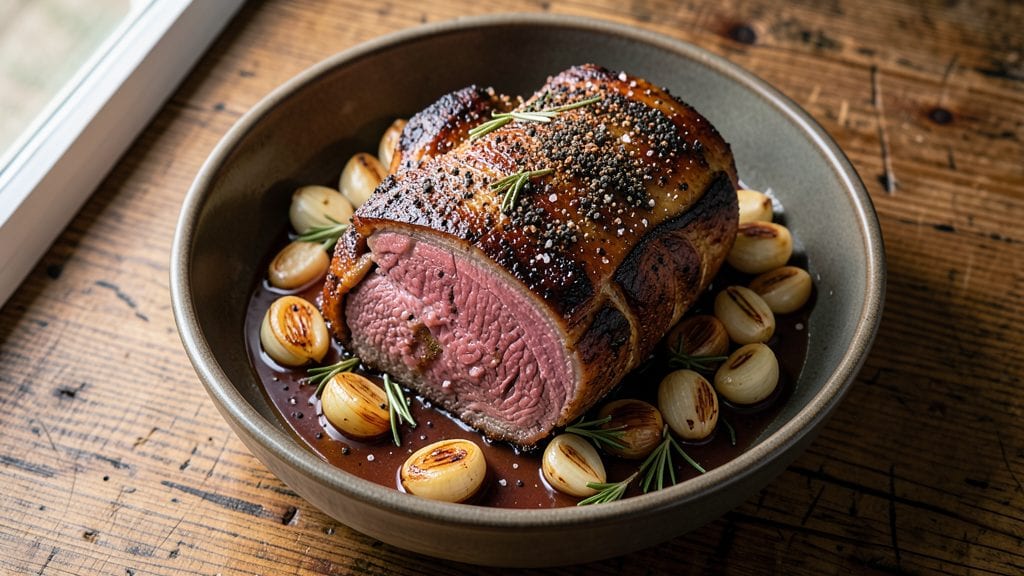
Transforming a tough cut into a melt-in-your-mouth masterpiece is exactly what this beef chuck shoulder cross rib roast recipe delivers—where low-and-slow cooking creates tender, juicy beef with a crispy bark that rivals any steakhouse.
The secret lies in precise temperature control and a well-seasoned crust that develops during the final sear, creating that irresistible contrast between tender meat and caramelized edges.
What sets this method apart is its professional approach to timing and technique—no guesswork, just proven results. You'll start with a dry rub that penetrates the meat while it rests, then sear it to lock in juices before the long, slow cook that transforms tough fibers into silky perfection.
The internal temperature never exceeds 130°F for medium-rare, ensuring every bite stays juicy and flavorful.
By the time you carve into this roast, you'll have a centerpiece that commands attention—deeply flavorful, perfectly tender beef with a crispy bark that adds texture and depth. The aroma alone will have everyone anticipating dinner, and the leftovers reheat beautifully for sandwiches or tacos the next day.
Pair it with classic sides like roasted root vegetables or creamy mashed potatoes, and you've got a meal that feels like a restaurant experience without the fuss. Here's how to achieve that perfect balance of tenderness and crust.
Ingredients for beef chuck shoulder cross rib roast
Six pounds of beef chuck meets bold spices and slow heat for a roast that delivers restaurant-quality tenderness and crispy bark.
| Ingredient | Amount | Notes |
|---|---|---|
| Beef Chuck Shoulder Cross Rib Roast 🥩 | 6 lb | Bone-in, trimmed of excess fat |
| Kosher Salt 🧂 | ½ cup | Diamond Crystal preferred for texture |
| Coarse Black Pepper 🌶️ | ¼ cup | Freshly cracked for bold flavor |
| Garlic Powder 🧄 | 2 tbsp | Freshly ground preferred |
| Onion Powder 🧅 | 2 tbsp | No added MSG |
| Smoked Paprika 🌶️ | 1 tbsp | For deep, smoky aroma |
| Ground Cumin 🌿 | 1 tbsp | Toasted for enhanced flavor |
| Extra-Virgin Olive Oil 🫒 | ¼ cup | For searing and basting |
| Yellow Onion 🧅 | 1 whole | Sliced for garnish |
| Fresh Rosemary 🌿 | ¼ cup | Chopped, for aroma |
| Fresh Thyme 🌿 | ¼ cup | Leaves only, stems removed |
| Apple Cider Vinegar 🍎 | 2 tbsp | For tenderizing soak |
| Beef Tallow or Duck Fat 🥩 | ½ cup | For crispy bark development |
The beef chuck shoulder cross rib is your secret weapon here—look for a piece with good marbling and a rich red color. Local butchers or high-end grocery stores like Whole Foods often carry the best cuts, but don't overlook the meat department at Costco for great value. Trim any large fat deposits, but leave the natural fat cap intact—it helps create that coveted crispy bark. For extra insurance, soak the roast in a mix of apple cider vinegar and water for 1-2 hours before seasoning, which helps tenderize the meat without making it mushy. If you're short on time, skip the soak and just pat the meat dry before applying your dry rub.
No smoked paprika? Substitute with a mix of regular paprika and a pinch of liquid smoke—just don't overdo it. The cumin can be toasted in a dry pan for 30 seconds to deepen its flavor, but it's not mandatory. Fresh rosemary and thyme are ideal, but if you're using dried, reduce the amount to one-third of what's listed. For the fat, beef tallow is traditional, but duck fat or even bacon fat works beautifully. If you're concerned about the roast being too dry, consider adding a splash of beef broth to the pan during the final sear—it'll create steam and keep the meat juicy. And trust me, the extra-virgin olive oil is worth the splurge for searing.
This roast is best made a day ahead—it actually tastes better after resting. Store it in the fridge for up to 3 days, wrapped tightly in butcher paper. For longer storage, vacuum-seal portions and freeze for up to 6 months. When reheating, low and slow is key—warm in a 275°F oven for about 30 minutes, covered loosely with foil. The leftovers are fantastic for sandwiches or tacos, and the flavor only gets better as it melds together. If you're planning ahead, slice the roast and freeze individual portions for quick meals later.
Why You'll Love This Recipe
- Four-Hinger Seasoning: I swear by this combo—just kosher salt, black pepper, garlic powder, and onion powder rubbed straight onto the roast. No fancy marinades, no stress. The beef’s natural flavor gets a boost that’s ridiculously good without overpowering it.
- One-Pan, Zero Guilt: Honestly, this roast is so forgiving. You sear it, add a splash of water, cover it, and let the oven do the work. No flipping, no basting, no mess. Even my teenager can handle it—(yes, even on a Tuesday night).
- Leftover Goldmine: Between us, the best part? The leftovers. Slice it thin for sandwiches, dice it for tacos, or just reheat a hunk straight from the fridge. That beef stays juicy and flavorful for days—no sad, dry scraps here.
- Budget-Friendly Feast: A chuck shoulder roast is my secret weapon for feeding a crowd without breaking the bank. It’s cheaper than prime cuts but delivers the same rich, satisfying bite. Plus, the seasoning costs pennies—just salt, pepper, and spices you already own.
Step-by-step instructions for beef chuck shoulder cross rib roast
Here's how to transform a tough cut into melt-in-your-mouth perfection with that coveted crispy bark.
Prepare the Dry Rub and Tenderize the Roast
In a medium bowl, combine the 0.5 cup kosher salt, 0.25 cup coarse black pepper, 2 tbsp garlic powder, 2 tbsp onion powder, 1 tbsp smoked paprika, and 1 tbsp ground cumin. Mix thoroughly until the spices are evenly distributed and no salt crystals remain. This dry rub will penetrate the meat and create that signature crust.
Place the 6 lb beef chuck shoulder cross rib roast on a large plate and pour the 2 tbsp apple cider vinegar evenly over the surface. Let it sit for 10 minutes while you prepare the rub. This acid tenderizes the meat fibers, making it more forgiving during the long cook. Pat the roast dry with paper towels—moisture is the enemy of crispy bark development.
Apply the Rub and Rest the Meat
Generously coat the roast with the dry rub mixture, pressing it firmly into every crevice and the bone cavity. I like to use my hands for this—it ensures even distribution and helps the rub adhere. The fat cap should be well-coated but not buried under excess seasoning. Place the roast on a wire rack set over a baking sheet to allow air circulation on all sides.
Cover loosely with plastic wrap and refrigerate for at least 12 hours, preferably 24 hours. This resting period allows the rub to penetrate deeply and the meat to relax, resulting in more even cooking and better moisture retention. Real talk: Skipping this step means you'll end up with uneven seasoning and potentially tougher meat.
Sear for Color and Flavor Foundation
Remove the roast from the refrigerator 1 hour before cooking to bring it to room temperature. Preheat your oven to 250°F—this low temperature is key for the low-and-slow process. In a large oven-safe Dutch oven or roasting pan, heat 0.25 cup extra-virgin olive oil over medium-high heat until shimmering.
Sear the roast on all sides until deeply browned, about 8-10 minutes total. You're not trying to cook it through—just develop that Maillard reaction for color and flavor. Flip occasionally and don't crowd the pan. Once browned, remove the roast and set it aside. This sear creates the foundation for that crispy bark we're after.
Low-and-Slow Cook with Fat Basting
Transfer the Dutch oven or roasting pan to the preheated 250°F oven. Add 0.5 cup beef tallow or duck fat to the pan and place the roast back in, fat-side up. The fat will render down during cooking, basting the meat and contributing to that crispy exterior. Cook for 6-8 hours, maintaining the 250°F temperature.
Here's the thing—don't open the oven during cooking. Every time you peek, you lose heat and moisture. Instead, use an oven thermometer to monitor temperature and check doneness with a meat thermometer. The roast is done when it reaches 195-203°F internally—this probe-tender stage is where the magic happens. The bark should be deep mahogany brown and crispy to the touch.
Rest and Slice for Maximum Juiciness
Once the roast reaches the target temperature, remove it from the oven and transfer to a cutting board. Let it rest for at least 30 minutes, tented loosely with foil. This resting period allows the juices to redistribute throughout the meat—cutting it too soon means losing all those precious flavors.
While it rests, preheat your oven's broiler. Slice the roast against the grain into ½-inch thick portions. Arrange the slices on a baking sheet and broil for 2-3 minutes until the tops are crispy. Garnish with sliced yellow onion, chopped fresh rosemary, and fresh thyme for presentation. Serve immediately with pan juices spooned over the top—this is where all the flavor lives.
Pro Tips For Making Beef Chuck Shoulder Cross Rib Roast
- Trim the Fat Cap: That thick layer of fat on the chuck shoulder isn’t just for looks—it renders down into flavor gold. Use kitchen shears to trim it to about ¼-inch thick before seasoning; any thicker and you’ll end up with greasy smoke instead of crispy crust. (Yes, it’s tedious, but your roast will taste like it came from a pitmaster.)
- Salt in Layers: Chuck roasts are forgiving, but don’t go overboard with one heavy salt job. Start with a dry rub of salt, pepper, and powders the night before, then re-season with fresh kosher salt right before searing. The first layer seasons deep, the second locks in flavor—like a flavor sandwich.
- Sear Hard, Then Slow: Chuck needs a brutal sear to build crust, but don’t walk away—watch those edges. Get your pan screaming hot (I mean smoke-testing hot) and sear until the fat sizzles like a jet engine, then transfer to a 275°F oven. Rushing the sear = sad, gray meat. (I learned this after a Thanksgiving disaster.)
- Skip the Thermometer? Don’t.: Chuck’s safe zone is 195–205°F—any lower and it’ll be tough, any higher and you’re risking dryness. I used to guess, but now I shove that probe in the thickest part, pull it at 190°F, tent with foil, and let it climb to 200°F. Patience here makes the difference between fork-tender and chewy.
Creative variations of beef chuck shoulder cross rib roast
Smoky BBQ Twist
Swap the dry rub for a BBQ dry rub blend (mix 1 tbsp smoked paprika, 1 tbsp brown sugar, 1 tbsp chili powder, 1 tsp garlic powder, and 1 tsp onion powder).
After the low-and-slow cook, brush the roast with ½ cup BBQ sauce (like St. Louis-style from Kansas Joe's) and broil for 3-4 minutes to caramelize. Serve with pickled red onions and toasted brioche buns for a pulled beef sandwich experience. 🌶️
Herb-Crusted French Style
Skip the dry rub and create a herb crust by mixing ½ cup Dijon mustard, ¼ cup chopped fresh rosemary, ¼ cup chopped fresh thyme, 2 minced garlic cloves, and 1 tbsp black pepper. Spread this mixture all over the roast before searing.
Cook low-and-slow as directed, then finish with a red wine reduction (simmer 1 cup red wine, 2 cups beef broth, and 2 tbsp butter) spooned over the slices. Perfect for a French bistro dinner with ratatouille and crusty baguette. 🍷
Asian-Inspired Five-Spice
Infuse the roast with Chinese five-spice powder (1 tbsp) and 1 tsp grated ginger in the dry rub. Add 1 tbsp soy sauce and 1 tbsp honey to the apple cider vinegar soak.
After cooking, slice thinly and serve with hoisin-glazed carrots, steamed bok choy, and sesame seeds. Garnish with sliced scallions and a drizzle of chili oil for a fusion feast that’s bold and balanced. 🌿
Italian Osso Buco Style
Use the same dry rub but add 1 tbsp fennel seeds and 1 tsp dried oregano. After searing, brown the roast in a Dutch oven with 2 chopped onions, 2 chopped carrots, and 2 chopped celery stalks (the "holy trinity") for 5 minutes.
Cover with 4 cups beef broth and simmer for 3-4 hours until fork-tender. Serve with risotto and braised greens for an Italian-inspired twist on this classic roast. 🍝
Spicy Cajun Bayou Style
Boost the heat with a Cajun-inspired rub (1 tbsp smoked paprika, 1 tbsp cayenne pepper, 1 tbsp garlic powder, 1 tsp onion powder, and 1 tsp dried thyme).
After cooking, deglaze the pan with ½ cup Cajun seasoning-infused beer (like Abita Amber) and reduce to a glaze. Serve over dirty rice and grilled corn for a Louisiana bayou flavor explosion. 🔥
Honey-Glazed Korean-Inspired
Add 1 tbsp gochugaru (Korean chili flakes) and 1 tbsp toasted sesame seeds to the dry rub. After the low-and-slow cook, brush the roast with a glaze of ¼ cup honey, 2 tbsp soy sauce, and 1 tbsp rice vinegar.
Broil for 2 minutes to caramelize. Serve with kimchi, steamed rice, and quick-pickled cucumbers for a Korean-inspired twist. 🌶️✨
Nutrition facts
Frequently asked questions
Why does this recipe use a low-and-slow method instead of high heat?
The chuck shoulder cut has tough muscle fibers that need time to break down. Cooking at 250°F for 6-8 hours transforms these fibers into tender, fork-tender meat while preserving moisture. High heat would dry it out or create an uneven cook. This method also develops deep, rich flavors through slow collagen breakdown.
Can I substitute beef tallow with another fat for the crispy bark?
Use duck fat, bacon fat, or even butter—just render it first to remove moisture. The key is using 0.5 cup of fat total. For extra crispiness, add a thin layer of panko breadcrumbs during the final sear. Just avoid vegetable oils—they won't render properly.
How do I know when the roast is done without overcooking it?
Use a meat thermometer to check the internal temperature—aim for 195-203°F for probe-tender perfection. The bark should be deep mahogany brown and crispy to the touch. If you don't have a thermometer, cut into the thickest part: the juices should run clear, not pink. Never rely on time alone—every oven varies!
What's the best way to reheat leftovers without drying them out?
Wrap slices in foil and reheat at 275°F for 20-30 minutes until warmed through. For sandwiches, pan-sear slices in butter for 2-3 minutes per side. Avoid microwaving—it creates rubbery meat. Leftovers keep well for 3 days refrigerated or 6 months frozen.
Can I make this roast in a slow cooker instead of the oven?
Yes! Sear the roast first, then place it in the slow cooker with 0.5 cup beef broth and cook on Low for 8-10 hours or High for 5-6 hours. The bark won't be as crispy, but the meat will be tender. For extra flavor, add 1 tbsp apple cider vinegar to the broth. Just monitor the liquid—it should barely cover the bottom.