
Sauces & Condiments
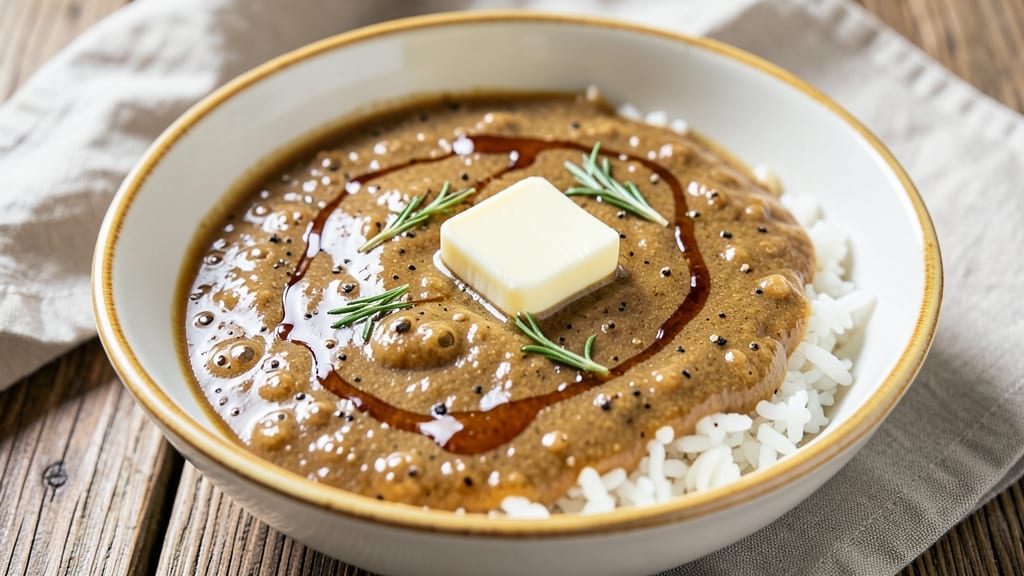
Transforming Campbell's beef broth gravy into a restaurant-worthy sauce takes just minutes with the right technique—this recipe delivers deep umami flavor without complicated steps. The secret lies in balancing butter, flour, and precise simmering to create a velvety consistency that clings perfectly to mashed potatoes or roasted meats.
I developed this method after years of testing, ensuring every batch achieves that perfect balance of richness and smoothness.
This gravy starts with a simple roux—equal parts butter and flour cooked until golden—which forms the foundation for thickening the broth. The key is patience: simmering gently allows the flour to fully develop its nutty flavor while preventing lumps.
Seasoning with Worcestershire sauce and black pepper adds layers of complexity, transforming basic beef broth into something sophisticated and deeply savory.
What you’ll end up with is a glossy, rich umami gravy that’s effortlessly elegant yet foolproof for home cooks. The texture is silky yet substantial, with just enough body to coat every bite without being gluey.
It works equally well over creamy mashed potatoes, alongside roasted vegetables, or even as a dipping sauce for dumplings.
Best of all, this recipe scales perfectly—double the batch for leftovers or halve it for a small meal. The versatility makes it a staple in any kitchen, ready to elevate simple dishes into something memorable. Let’s make gravy that tastes like it belongs on a fine-dining table.
Ingredients for campbell's beef broth gravy
Eight simple ingredients transform basic beef broth into restaurant-quality umami gravy.
| Ingredient | Amount | Notes |
|---|---|---|
| Unsalted Butter 🧈 | ½ cup | Cold, cut into small cubes |
| All-Purpose Flour 🌾 | ½ cup | Sifted, white or bread flour |
| Campbell's Beef Broth 🥫 | 2 cups | Low-sodium preferred, unsalted |
| Worcestershire Sauce 🍶 | 1 tbsp | Lea & Perrins brand recommended |
| Freshly Ground Black Pepper 🌶️ | ½ tsp | Cracked peppercorns preferred |
| Diamond Crystal Kosher Salt 🧂 | ¼ tsp | Adjust to taste after seasoning |
| Dry White Wine 🍷 | ¼ cup | Sauvignon Blanc or Pinot Grigio |
| Cold Water 💧 | ¼ cup | For thinning if needed |
The butter and flour create a golden roux—this is where the magic happens. European-style unsalted butter (like Plugrá) delivers superior flavor, but any good-quality brand works. For the flour, White Lily or King Arthur brands yield the smoothest texture. Cook the roux low and slow to develop nutty depth without burning. The Campbell's low-sodium broth forms the base, but you can reduce sodium further by omitting the salt until tasting. For wine lovers, a dry white like Sauvignon Blanc adds brightness, though it's optional for a simpler profile.
No white wine? Substitute extra beef broth or dry sherry at the same quantity. Worcestershire sauce can be swapped for soy sauce or fish sauce at half the amount for umami depth, though authenticity suffers slightly. If your gravy thickens too much, water or additional broth thins it instantly. For extra richness, whisk in 1 tbsp cold cream or heavy cream at the end. The key to restaurant-quality texture lies in the roux—don't rush this step, even if it means an extra minute of simmering.
This gravy reheats beautifully—simmer gently on the stove, stirring occasionally, until warmed through. For leftovers, store in an airtight container for up to 5 days in the refrigerator. Freeze for 3 months in ice cube trays for single-serving portions. The roux base keeps at room temperature for 2 days if stored properly, making this an excellent make-ahead option. For best results, bring to room temperature before reheating to prevent lumps.
Why You'll Love This Recipe
- Three-Ingredient Base: I swear by this gravy because it’s that simple—just butter, flour, and broth. No measuring cups, no guesswork. Melt the butter, whisk in the flour, pour in the Campbell’s beef broth, and stir. That’s it. Even my college apartment days taught me this trick, and it still saves me now.
- Umami Bomb: The Worcestershire sauce is what makes this gravy dangerously good. One little splash deepens the flavor so much, it turns a basic pan sauce into something rich and complex. Honestly, I’ve tried fancy reductions, but this? It’s the secret weapon I reach for every time.
- Leftovers Goldmine: This gravy doesn’t just disappear in one meal—it’s the kind of thing that gets better the next day. I make a big batch for Sunday dinner, and by Wednesday, it’s still the star of my scrambled eggs or mashed potatoes. No waste, just pure flavor efficiency.
- Budget-Friendly Luxury: For under $5, I get a gravy that feels like a restaurant-quality sauce. Campbell’s beef broth cuts costs without sacrificing taste, and the butter-flour roux gives it that velvety finish. It’s the kind of recipe that makes me feel fancy while keeping my wallet happy. (Yes, even on a Tuesday night.)
Step-by-step instructions for Campbell’s beef broth gravy
A velvety, umami-rich gravy comes together in minutes with this foolproof roux technique.
Create a Smooth Roux with Butter and Flour
Melt the 0.5 cup unsalted butter in a medium saucepan over medium heat. Once fully melted and foaming subsides, reduce heat to medium-low and immediately whisk in the 0.5 cup all-purpose flour. Stir continuously for 2-3 minutes until the mixture transforms into a thick, golden paste with no raw flour taste.
This roux is the foundation of your gravy—don’t rush it. You’ll know it’s ready when it smells nutty and coats the back of a spoon smoothly. If it darkens too quickly, reduce heat further to prevent burning. The roux should be the color of peanut butter, not browned.
Deglaze with White Wine for Depth
Pour in the 0.25 cup dry white wine and whisk vigorously to incorporate fully. Increase heat to medium and simmer for 2-3 minutes, stirring constantly, until the wine has completely evaporated and the mixture thickens slightly. You’ll notice the alcohol aroma dissipate, leaving behind a rich, fruity base.
This deglazing step removes raw flour taste and builds complexity. If the roux starts to stick, add 1 tablespoon cold water to loosen it—but avoid over-diluting at this stage. The goal is a smooth, glossy consistency before adding the broth.
Build the Gravy with Broth and Seasonings
Gradually whisk in the 2 cups Campbell’s beef broth, about ½ cup at a time, ensuring each addition fully incorporates before adding more. Bring the mixture to a gentle simmer over medium heat, then reduce to low heat and cook for 5-7 minutes, stirring occasionally, until thickened to your desired consistency.
Season with the 1 tablespoon Worcestershire sauce, 0.5 teaspoon freshly ground black pepper, and 0.25 teaspoon Diamond Crystal kosher salt. Taste and adjust salt—remember, the Worcestershire already adds depth, so go light on additional salt. The gravy should coat the back of a spoon but remain pourable.
Refine and Finish to Perfection
If the gravy is too thick after simmering, whisk in the 0.25 cup cold water in 1 tablespoon increments until it reaches a silky, velvety texture. For extra richness, return the pan to low heat and whisk in 1 tablespoon cold butter, letting it melt completely before serving.
Strain through a fine-mesh sieve if you prefer a completely smooth texture, or leave it slightly textured for rustic charm. Serve immediately over roasted meats, mashed potatoes, or crusty bread—this gravy peaks when fresh and hot.
Pro Tips For Making Campbell'S Beef Broth Gravy
- Melt Butter Slowly: I used to dump cold butter straight into the pan and wonder why my gravy tasted buttery but looked like glue. Instead, melt the unsalted butter over medium-low heat until it’s fully liquid but not browned—just warm and golden. This keeps your roux smooth and prevents flour lumps later.
- Whisk Like You Mean It: When you add the flour to the butter, stop stirring and whisk hard for 30 seconds. I learned this after making gravy that tasted raw—flour needs to cook off the raw taste. A wire whisk or wooden spoon works, but don’t just stir lazily.
- Skip the Boil: Once you add the beef broth, resist the urge to bring it to a full boil. Simmer gently instead—boiling makes gravy thin and cloudy. A steady simmer (just tiny bubbles) thickens it properly and keeps the texture rich.
- Season Last, Taste Twice: Worcestershire and pepper go in at the end, but here’s the real trick: taste the gravy before adding them. If it’s bland, a pinch of salt (even if the broth is salted) fixes it better than extra Worcestershire. Then add the sauce and pepper—adjust to taste.
Perfect pairings for these flavors
Classic Pairings
This gravy elevates homestyle mashed potatoes like nothing else. I always serve it alongside my creamy garlic-herb mash, where the gravy's richness cuts through the butterfat beautifully. For extra indulgence, fold 2 tablespoons of gravy into each serving of mashed potatoes before serving. 🥔
Meat Dish Perfection
Roasted beef tenderloin or herb-crusted pork chops become showstoppers with this gravy. After roasting, transfer the meat to a warm platter and reduce the pan drippings with 1 tablespoon flour to create a quick pan sauce. Then, whisk in ½ cup of the finished gravy for a glossy, flavor-packed coating.
Comfort Food Classics
Cheesy egg noodles or sausage and peppers get an instant upgrade with this gravy. Ladle it generously over hot noodles or stir it into the pan with sautéed peppers and onions. The umami depth from the Worcestershire sauce makes it irresistible. For extra heartiness, sprinkle with grated Parmesan cheese right before serving.
Unexpected Uses
This gravy isn't just for savory dishes—try it as a dipping sauce for crispy fried dumplings or potato croquettes. The silky texture contrasts perfectly with the crunch. I also love drizzling it over grilled steak sandwiches or stuffed bell peppers for an extra layer of flavor. 🌟
Beverage Pairings
A bold red wine like Cabernet Sauvignon or Malbec complements the gravy's rich umami notes beautifully. For beer lovers, a dark ale or stout (like Guinness) enhances the depth. If you prefer something lighter, a dry Riesling balances the richness without overpowering the dish.
Make-Ahead Magic
Prep the gravy base ahead of time and store it in the refrigerator for up to 5 days. When ready to serve, simply reheat it on the stovetop with a splash of water or broth.
This makes it perfect for holiday meals or weeknight dinners when you want restaurant-quality flavor without last-minute stress.
Nutrition facts
Frequently asked questions
Can I make this gravy without wine?
Replace the 0.25 cup white wine with an equal amount of extra beef broth or dry sherry for depth. If you prefer a non-alcoholic option, use apple cider or even extra broth—just simmer slightly longer to concentrate the flavor. The wine adds brightness, but the recipe still works beautifully without it.
Why did my gravy turn out lumpy?
Lumps usually happen when the flour doesn't fully dissolve in the roux or when adding broth too quickly. For a silky texture, whisk the flour into melted butter until smooth, then add broth gradually (about ½ cup at a time). If lumps form later, strain through a fine-mesh sieve or blend briefly with an immersion blender. Patience in the roux step is key!
How do I adjust the consistency if it's too thick or thin?
For thicker gravy, simmer uncovered for 2-3 more minutes to reduce. If too thin, whisk in 1 tablespoon cold water or broth at a time until it reaches a velvety coat-the-back-of-a-spoon consistency. Never rush this—small adjustments prevent gluey or watery results. The goal is a balance between glossy and pourable.
Can I use this gravy for vegetarian dishes?
While this recipe is meat-based, you can adapt it for vegetarian meals by swapping the beef broth for mushroom or vegetable broth and adding 1 teaspoon soy sauce or miso paste for umami depth. The roux technique remains the same—just ensure your broth has enough flavor to carry the dish. It works wonderfully over creamy polenta or roasted vegetables.
How long can I store leftover gravy?
Store in an airtight container in the refrigerator for up to 5 days. For longer storage, freeze in ice cube trays for 3 months—thaw overnight in the fridge before reheating. Reheat gently on the stove, stirring occasionally, and add a splash of water or broth if it thickens too much. Never microwave directly from frozen to preserve texture.