
Snacks
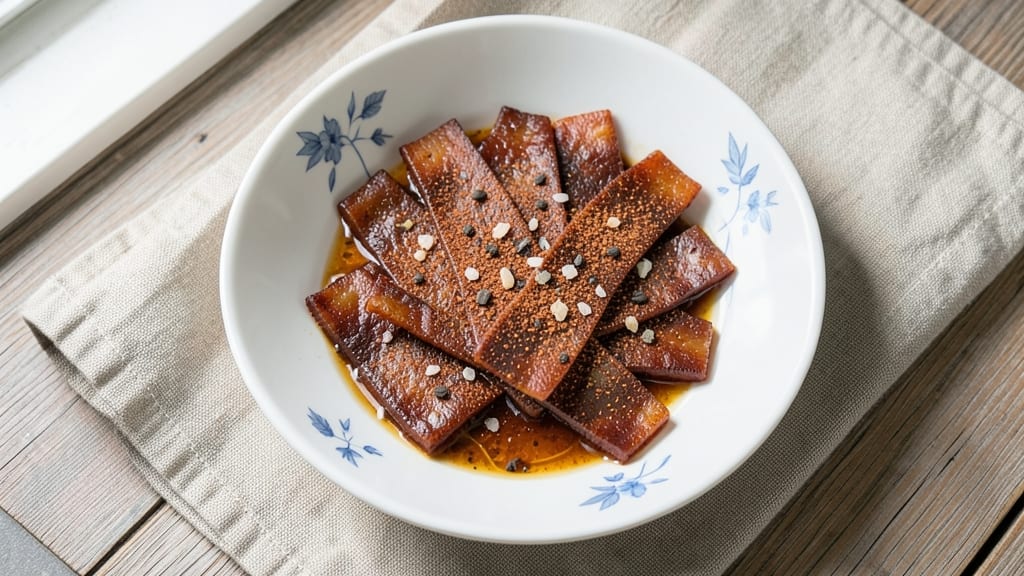
No-sugar beef jerky recipe transforms tough cuts of beef into chewy, smoky snacks without the sugar crash—just pure protein and bold flavor. I developed this method after years of testing sugar-free alternatives, and it delivers restaurant-quality jerky in just 3 hours using simple pantry staples. The key lies in balancing savory spices, acidity, and precise drying to create jerky that’s dangerously addictive without the refined sugar.
This recipe starts with lean beef sliced paper-thin and marinated in a blend of smoked paprika, garlic powder, and apple cider vinegar—no sugar needed to carry the flavor. The marinade not only tenderizes the meat but also acts as a natural preservative, ensuring your jerky stays shelf-stable for weeks.
For those avoiding all sweeteners, stevia or erythritol can be added sparingly if desired, though the spices alone deliver deep, satisfying flavor.
What you’ll end up with is chewy, smoky jerky with a perfect snap—no gummy texture or artificial aftertaste. The drying process (oven, dehydrator, or smoker) is where precision matters most: too fast, and it’ll be tough; too slow, and it risks spoilage.
I’ll walk you through the exact times and temperatures to guarantee jerky that’s safe to eat and irresistibly flavorful.
Perfect for meal prep, hiking snacks, or gifting, this recipe scales easily and keeps well in vacuum-sealed bags. Whether you’re cutting sugar for health reasons or simply craving bold, clean-tasting jerky, this method delivers restaurant-quality results at home. Let’s get started—your taste buds (and protein intake) will thank you.
Ingredients for no sugar beef jerky
Lean beef, bold spices, and tangy vinegar—no sugar needed for restaurant-quality jerky.
| Ingredient | Amount | Notes |
|---|---|---|
| Lean Beef Top Round Roast 🥩 | 2 lb | Sliced paper-thin against grain |
| Smoked Paprika 🌶️ | 2 tbsp | High-quality for deep smokiness |
| Garlic Powder 🧄 | 1 ½ tbsp | Freshly ground preferred |
| Apple Cider Vinegar 🍏 | ½ cup | Raw, unfiltered for tang |
| Kosher Salt 🧂 | 1 ½ tbsp | Diamond Crystal preferred |
| Ground Black Pepper 🌶️ | 1 tbsp | Freshly cracked preferred |
| Ground Cumin 🌿 | 1 tbsp | Toasted for depth |
| Onion Powder 🧅 | 1 tbsp | Freshly ground preferred |
| Cayenne Pepper 🔥 | ½ tsp | Adjust for heat preference |
| Worcestershire Sauce 🍶 | 1 tbsp | Sugar-free version preferred |
| Stevia Powder (optional) 🌿 | ¼ tsp | Pure stevia, no fillers |
| Unsalted Butter 🧈 | 2 tbsp | Cold, cubed for marinade |
The beef is everything. Top round roast is lean, affordable, and slices beautifully—ask your butcher to cut it paper-thin against the grain. Most grocery stores carry it pre-sliced, but if not, a sharp knife and steady hand (or a meat slicer) work best. For extra tenderness, Costco or Whole Foods often have pre-sliced versions that save time. Avoid fatty cuts like flank steak—they’ll end up greasy. The key is consistency: slices should be 1/8-inch thick or less for even drying.
No smoked paprika? Substitute a mix of regular paprika and a pinch of liquid smoke—just don’t overdo it. The vinegar is non-negotiable for acidity and preservation, but lemon juice works in a pinch. Worcestershire adds depth, but if you’re strict about sugar-free, check the label or use soy sauce instead. The optional stevia is for those who want any sweetness—I skip it entirely, as the spices carry the flavor. For the butter, cold cubes melt slowly into the marinade, creating a rich coating without making the beef soggy.
Marinated beef keeps 3-4 days in the fridge, covered tightly. For long-term storage, freeze the raw slices in a vacuum-sealed bag for up to 3 months. Once dried, jerky stays shelf-stable for 2-3 weeks at room temperature or 6 months in the freezer. I portion mine into vacuum-sealed bags (or heavy-duty ziplocks) to prevent freezer burn. Pro tip: Store in an airtight container with a silica packet to absorb moisture and extend shelf life.
Why You'll Love This Recipe
- Five-Ingredient Magic: I swear by this combo—lean beef, a dash of smoked paprika, and that tangy vinegar cut through the richness. No fancy marinades, no sugar crashes, just pure, bold flavor that sticks with you.
- No-Fuss Prep: Slice the beef thin, toss it in a bowl, and you’re done. I’ve made this while watching TV, during soccer practice pickup, or when I just couldn’t be bothered with a full meal. The garlic powder and salt do all the heavy lifting.
- Snack Attack Ready: Between us, this jerky disappears faster than I can say “hangry.” Keep it in the fridge for quick protein boosts, toss strips in lunches, or hand them out at tailgates—no one will question why it’s their favorite.
- Budget-Protein Powerhouse: Top round roast is cheap, and a pound stretches forever. I’ve fed my whole family for days with what costs less than takeout. Plus, no weird preservatives or sugar spikes—just real, satisfying beef.
Step-by-step instructions for no-sugar beef jerky
Here's how to transform lean beef into chewy, sugar-free perfection in just three hours.
Prepare the Marinade with Precision
In a medium bowl, combine the 0.5 cup apple cider vinegar, 2 tbsp smoked paprika, 1.5 tbsp garlic powder, 1.5 tbsp kosher salt, 1 tbsp ground black pepper, 1 tbsp ground cumin, 1 tbsp onion powder, 0.5 tsp cayenne pepper, 1 tbsp Worcestershire sauce, and 0.25 tsp stevia powder (optional). This blend creates a complex flavor profile that penetrates the meat deeply. Stir vigorously until the spices dissolve completely into the vinegar, forming a smooth, aromatic paste.
Next, add the 2 tbsp unsalted butter, cut into small cubes, to the mixture. Let it sit at room temperature for 5 minutes until the butter softens and begins to emulsify with the vinegar. This step ensures the marinade coats the beef evenly, preventing dryness during dehydration. The butter adds a subtle richness that balances the smokiness of the paprika and the tang of the vinegar.
Slice and Marinate the Beef
Using a sharp slicing knife, cut the 2 lb lean beef top round roast into strips ¼-inch thick, slicing against the grain for maximum tenderness. The slices should be uniform in thickness to ensure even drying. Arrange the slices in a single layer on a baking sheet lined with parchment paper, ensuring they don't overlap. This prevents them from sticking together during marinating.
Pour the marinade over the beef slices, coating each piece thoroughly. Use a silicone spatula to spread the marinade evenly, ensuring every surface is saturated. Transfer the baking sheet to the refrigerator and let the beef marinate for at least 2 hours, or up to 12 hours for deeper flavor penetration. The acidity in the vinegar will begin breaking down the meat fibers, making the jerky more tender once dehydrated.
Dehydrate for Perfect Texture
Preheat your dehydrator to 160°F. Arrange the marinated beef slices on dehydrator trays, ensuring they're spaced ½-inch apart to allow proper air circulation. This spacing prevents moisture buildup, which can lead to soggy jerky. Place the trays in the dehydrator and set the timer for 4 to 6 hours, depending on your dehydrator's efficiency and the thickness of your slices.
Check the jerky after 3 hours—it should be firm to the touch but still slightly pliable. If it's drying too quickly, reduce the temperature to 150°F and continue dehydrating. The jerky is ready when it's dry to the touch, has a leathery texture, and can be easily peeled away from the dehydrator tray without sticking. Over-dehydrating can make the jerky brittle, so monitor closely during the final hour.
Rest and Store for Maximum Flavor
Once the jerky reaches the perfect texture, remove it from the dehydrator and let it cool completely on a wire rack. This resting period allows the flavors to meld and the jerky to firm up slightly. Avoid stacking the slices, as this can cause them to sweat and lose their crispness. Let them cool for at least 1 hour before storing.
Store the no-sugar beef jerky in an airtight container in the refrigerator for up to 2 weeks or freeze for up to 3 months. The jerky will continue to develop deeper flavors as it rests, making it even more satisfying with time. Each piece should be chewy yet firm, with a rich, smoky aroma and a bold, savory taste that lingers on the palate.
Pro Tips For Making No Sugar Beef Jerky
- Trim the Fat First: Top round is lean, but those last stubborn fat strips hide in the edges. Use a sharp knife to slice them off—thinner slices dry faster and stay chewier. I learned this the hard way when my jerky turned out rubbery because I skipped this step.
- Marinate Overnight, Not Hours: Apple cider vinegar works best with time, but don’t rush it. Let the meat soak for at least 12 hours—this tenderizes the tough fibers and lets the smoked paprika cling. I used to do 6 hours, and the flavor was half as bold.
- Skip the Crowding: Whether dehydrating or oven-drying, give your slices space. Overlapping them traps moisture and turns your jerky into leather. Arrange them single-layered with gaps—yes, it takes more time, but the result is crispy, not soggy.
- Finish with a Vinegar Rinse: After drying, brush the slices with a little extra apple cider vinegar right before storing. It brightens the flavor and cuts through the saltiness. Sounds weird, but it works—my jerky tastes fresher for weeks.
Essential equipment for no sugar beef jerky
Dehydrator Essentials
A quality dehydrator is your best tool for even drying. I recommend the Cosori Premium Food Dehydrator—it has adjustable temperature settings and even heat distribution. For budget-friendly options, the Nesco FD-75A works well, though it lacks digital controls.
Always choose a dehydrator with at least 5 trays to accommodate multiple batches of jerky simultaneously. 🌡️
Oven Drying Method
If you don’t have a dehydrator, your oven can work in a pinch. Set it to 175°F (lower than the dehydrator to compensate for heat loss) and prop the door open 2-3 inches with a wooden spoon.
Line a baking sheet with parchment paper and place a wire rack on top for better airflow. Rotate trays every hour for even drying.
Smoker Setup
For a smoky flavor, use a charcoal smoker set to 160-170°F. Line the water pan with aluminum foil and place a wire rack above it. Smoke the jerky for 4-6 hours, using fruitwood chips (apple or cherry) for a mild, sweet smoke.
Avoid hickory or mesquite—they can overpower the delicate beef flavor.
Thermometer Must-Have
Never skip a meat thermometer—I use the Thermoworks Smoke for precision. Insert the probe into the thickest slice of beef to monitor internal temperature. Jerky is ready when it reaches an internal temp of 145°F and is dry to the touch.
This ensures safety and perfect texture without guesswork. ⚡
Airflow Accessories
Improve drying efficiency with a small fan placed near the dehydrator or oven. This helps circulate air and speeds up the process by 20-30%. For dehydrators, a mesh screen placed over trays prevents slices from sticking while allowing airflow. Avoid plastic containers—they trap moisture and create a humid environment.
Storage Containers
Store finished jerky in vacuum-sealed bags or amber glass jars with airtight lids to preserve freshness. For long-term storage, add a silica gel packet to absorb moisture.
Mason jars work well for short-term use (up to 2 weeks), but vacuum-sealed bags extend shelf life to 6 months in the freezer. Label everything with the date! 📅
Nutrition facts
Frequently asked questions
Can I use other cuts of beef besides top round?
Top round is ideal for its lean texture, but sirloin tip or eye of round work well too. Avoid fatty cuts like flank steak—they’ll make your jerky greasy. For extra tenderness, trim all visible fat before slicing, as it prevents even drying and can spoil faster.
How do I know when my jerky is fully dried?
Jerky is done when it’s dry to the touch, has a leathery texture, and can be peeled away from the dehydrator tray without sticking. The internal temperature should reach 145°F—use a meat thermometer for accuracy. If it’s still pliable after 6 hours, lower the temperature to 150°F and continue drying.
What’s the best way to store homemade jerky?
For short-term storage, keep it in an airtight container in the fridge for 2 weeks. For longer shelf life, vacuum-seal in bags with a silica packet and freeze for up to 6 months. Avoid plastic containers—they trap moisture and spoil faster. Label with the date to track freshness!
Can I add sweetness without sugar?
Yes! Try stevia powder (0.25 tsp), erythritol (1 tsp), or a pinch of monk fruit sweetener. For natural sweetness, add 1 tbsp honey or maple syrup to the marinade—but reduce other spices slightly to balance flavors. The spices in this recipe already deliver deep flavor, so sweetness is optional.
Why did my jerky turn out tough instead of chewy?
Over-drying or slices that were too thick (over 1/8-inch) are the most common culprits. Always slice against the grain and check for pliability after 3 hours. If using an oven, ensure the door is propped open for airflow. For extra chewiness, marinate for 12 hours instead of just 2.