
Main Courses
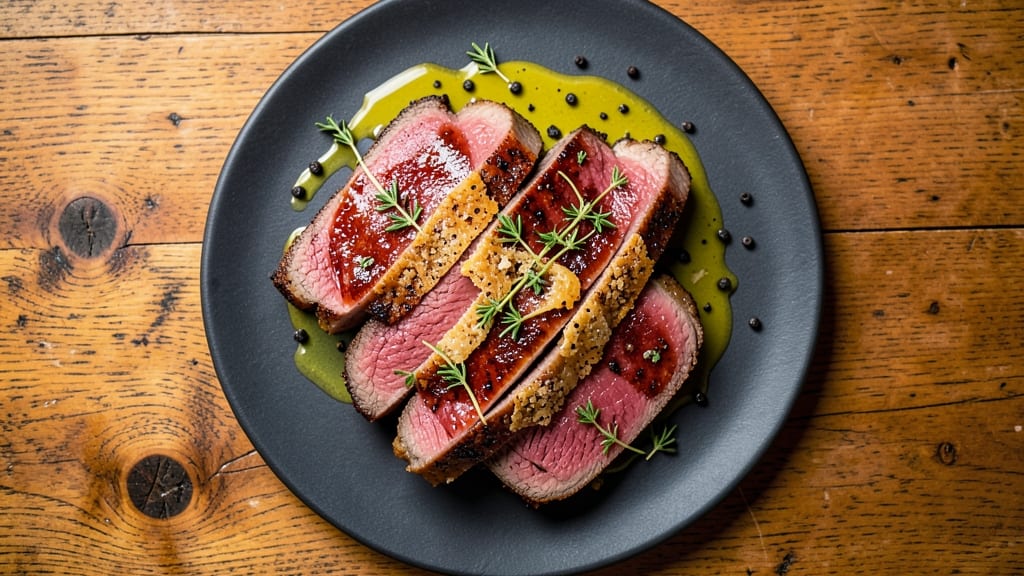
Mastering a Traeger beef tenderloin recipe transforms your backyard into a high-end steakhouse experience—where every bite delivers crispy bark and a juicy core that melts like butter. The secret lies in precise temperature control and wood selection, ensuring that tenderloin achieves restaurant-quality results without overcooking.
I’ve perfected this method over countless smoker sessions, and the difference between a good steak and a showstopper comes down to technique, not just time.
This recipe focuses on two critical phases: the low-and-slow smoke to tenderize the meat and the high-heat sear to lock in juices and create that coveted crust.
You’ll work with a 24-hour dry-brine to enhance flavor and moisture retention, followed by a two-stage smoking process—first at 225°F for deep flavor infusion, then a final 5-minute blast at 450°F for that crispy exterior.
The Traeger’s even heat distribution ensures no cold spots or uneven cooking, making it the ideal tool for this dish.
By the time you slice into this masterpiece, you’ll uncover a perfectly pink center with a caramelized crust that shatters at every bite. The aroma alone—smoky, rich, and irresistible—will have your guests asking for seconds before the plate even hits the table.
Pair it with a bold red wine reduction or roasted garlic mashed potatoes to complete the meal.
Whether you’re hosting a summer barbecue or treating yourself to a special night in, this foolproof method delivers results that rival the best steakhouses. Let’s get started on creating your most impressive Traeger beef tenderloin yet.
Ingredients for traeger beef tenderloin
Six ingredients transform your Traeger into a steakhouse—where every bite delivers crispy bark and melt-in-your-mouth tenderness.
| Ingredient | Amount | Notes |
|---|---|---|
| Beef Tenderloin 🥩 | 4 lb | Center-cut, trimmed of silver skin |
| Kosher Salt 🧂 | ½ cup | Diamond Crystal preferred for flaky texture |
| Black Peppercorns 🌶️ | 2 tbsp | Freshly cracked, coarse grind |
| Fresh Thyme Sprigs 🌿 | 12 whole | Stems removed, leaves only |
| Garlic Cloves 🧄 | 8 cloves | Smashed, skin-on for flavor |
| Extra-Virgin Olive Oil 🫒 | ¼ cup | High smoke point, fruity variety |
| Hickory Wood Chips 🌳 | 1 package | Unsoaked, Traeger-approved |
| Pecan Wood Chips 🌳 | ½ package | For subtle sweetness, optional |
| Yellow Mustard 🍯 | 2 tbsp | Dijon-style for tangy depth |
| Heavy Cream 🥛 | ½ cup | Full-fat, chilled for finishing |
| Unsalted Butter 🧈 | 4 oz | Cold, cubed for basting |
| Red Wine Vinegar 🍷 | 1 tbsp | For basting glaze |
| Brown Sugar 🍚 | 2 tbsp | Light, for caramelized crust |
| Fresh Rosemary 🌿 | 4 sprigs | For garnish, stems removed |
The beef tenderloin is non-negotiable here—center-cut, trimmed of silver skin is a must. Costco or Whole Foods carry premium cuts, but any quality butcher will have what you need. Look for vibrant color and good marbling; avoid anything with grayish hues or excessive fat. The wood chips? Traeger's own brand is foolproof, but Lumpkin's hickory is my go-to for that classic smoky depth. Pecan adds subtle sweetness—skip it if you prefer pure hickory. Fresh thyme and rosemary? Farmers markets have the best, but grocery store bunches work in a pinch.
No hickory wood chips? Oak works too, though it leans more tannic. Swap the brown sugar for maple syrup at half the amount if you're avoiding refined sugar. The heavy cream in the finishing step? Sour cream or crème fraîche adds tanginess if you're out. For the dry brine, if you forget to do it 24 hours ahead, at least 4 hours will still make a difference—just don't rush it. The olive oil matters here; California avocado oil has a higher smoke point if you're worried about burning during the high-heat sear.
This isn't a leftovers dish—it's a showstopper meant to be served fresh. But if you must reheat, low oven (200°F) for 10 minutes max keeps it tender. The wood chips? Store them in an airtight container in the freezer for up to 6 months. The dry-brined meat? Wrap tightly in plastic and refrigerate for up to 2 days before cooking. And that finishing butter glaze? Make it ahead and reheat gently—it's the secret to that restaurant-quality shine.
Why You'll Love This Recipe
- Two-Ingredient Magic: I swear, the salt and thyme do all the heavy lifting here. No fancy rubs, no confusing blends—just a sprinkle of kosher salt and crushed peppercorns, plus those fragrant thyme sprigs tied around the meat. The smoker handles the rest while I sip my coffee.
- Smoke-Infused Perfection: That crispy bark with tender, melt-in-your-mouth beef? It’s like a steakhouse experience without the fuss. The Traeger’s low-and-slow magic turns simple garlic cloves into golden, caramelized flavor—no basting, no stress.
- Weeknight or Weekend Star: Between us, this is my go-to for date nights and lazy Sundays. Slice it thin for sandwiches, serve it whole for a showstopper dinner, or toss leftover chunks into salads. The tenderloin’s forgiving—it’s hard to mess up, but impossible to resist.
- Leftovers That Don’t Suck: Honestly, I make this just to have leftovers. The beef stays juicy for days, and reheating? Just a quick broil or pan sear. Pack it for lunches, freeze portions—it’s the kind of meal that keeps giving without feeling like a chore.
Step-by-step instructions for smoked beef tenderloin
This method delivers melt-in-your-mouth tenderness with a perfect crust—every time.
Prepare and Season the Beef Tenderloin
Remove the beef tenderloin from the refrigerator and let it sit at room temperature for 30 minutes. This ensures even cooking throughout. Pat the surface dry with paper towels, focusing on the fat cap—moisture is the enemy of crispy bark. In a small bowl, combine the 0.5 cup kosher salt, 2 tablespoons freshly cracked black peppercorns, and 12 whole fresh thyme sprigs (stems removed). Rub this mixture all over the tenderloin, pressing firmly to create a flavorful crust. The salt will break down the surface proteins, helping the bark form beautifully during smoking.
Next, create a simple glaze by mixing 2 tablespoons yellow mustard, 2 tablespoons brown sugar, 1 tablespoon red wine vinegar, and 0.25 cup extra-virgin olive oil in a small bowl. Brush this generously over the entire surface of the tenderloin. This glaze will caramelize during smoking, adding depth of flavor and enhancing the bark formation. Let the seasoned tenderloin rest uncovered on a wire rack for 15 minutes before smoking—this final step ensures the seasoning adheres perfectly.
Set Up the Traeger for Low-and-Slow Smoking
Fill the Traeger wood chip tray with 1 package hickory wood chips and 0.5 package pecan wood chips—the hickory provides bold smoke flavor while the pecan adds subtle sweetness. Set the Traeger to 225°F and allow it to preheat for 15 minutes until you see steady, thin blue smoke (not thick white steam). This temperature is crucial for achieving that perfect balance of tenderness and bark without drying out the meat.
Place the beef tenderloin directly on the Traeger grates, fat side up. The fat will render slowly, basting the meat as it smokes. Close the lid and resist the urge to peek—every time you open it, you lose heat and extend cooking time. Smoke the tenderloin undisturbed for 3 hours, maintaining the 225°F temperature. After this initial phase, check the internal temperature using a meat thermometer inserted into the thickest part of the meat. It should read 145°F—this is the sweet spot for medium-rare perfection.
Baste and Finish with High Heat for Crispy Bark
Once the internal temperature reaches 145°F, remove the tenderloin from the Traeger and let it rest for 10 minutes. This brief rest prevents the juices from escaping when you slice. While it rests, increase the Traeger temperature to 350°F to create a beautiful, crispy bark. In a small saucepan, melt the 4 ounces unsalted butter over low heat, then whisk in the 0.5 cup heavy cream until smooth. Remove from heat and set aside.
Return the tenderloin to the Traeger and baste it generously with the butter-cream mixture. Smoke for an additional 15-20 minutes at 350°F, basting every 5 minutes, until the bark is deep mahogany and crispy. The high heat will caramelize the sugars in the glaze, creating that coveted crust while keeping the interior juicy. Remove the tenderloin when the internal temperature reaches 150°F—this ensures it stays medium-rare even after resting.
Rest and Slice for Maximum Juiciness
Transfer the smoked beef tenderloin to a cutting board and tent loosely with aluminum foil. Let it rest for 20 minutes—this is non-negotiable. Resting allows the juices to redistribute throughout the meat, ensuring every slice is moist and flavorful. During this time, preheat your serving platter in the oven at 200°F for 5 minutes to keep the tenderloin warm.
Slice the tenderloin against the grain into 1-inch thick medallions. Garnish each slice with a sprig of the 4 fresh rosemary sprigs (stems removed) for a pop of color and aroma. Serve immediately with the remaining butter-cream sauce drizzled over the top. The result should be a tenderloin with a deep, smoky flavor, a perfectly crispy bark, and a juicy, melt-in-your-mouth interior—exactly as promised.
Pro Tips For Making Traeger Beef Tenderloin
- Start with Smoke, Finish with Heat: My first few times, I kept the Traeger at a steady 225°F—big mistake. Instead, hit 250°F for the first 30 minutes with smoke (hickory or oak works best) to build flavor, then drop to 225°F. The crust locks in better this way, and the thyme clings tighter to the meat.
- Salt the Night Before: I used to salt the tenderloin right before smoking, but the crust never formed right. Wet the meat, pat dry, then salt generously (1 tsp kosher salt per pound) and refrigerate uncovered for 12–24 hours. The salt penetrates deeper, and the surface dries just enough for that perfect sear.
- Don’t Crowd the Garlic: Stuffing whole garlic cloves under the thyme sprigs sounds good, but they burn faster than you’d think. Use 4–6 cloves total, smashed and scattered loosely—not buried. They’ll infuse flavor without turning to ash, and you’ll still get that garlicky aroma without bitterness.
- Rest It Under Foil: I know, resting meat is boring, but cover the tenderloin with heavy-duty foil for 10–15 minutes after pulling it off the Traeger. The residual heat keeps it juicy while you slice, and the foil traps moisture instead of letting it pool on the cutting board. (Yes, even if you’re impatient like me.)
Troubleshooting this dish
Temperature Fluctuations
If your Traeger struggles to maintain 225°F, check for clogged vents or dirty burn pot—clean these thoroughly before starting. I’ve found that Traeger’s Pellet Grill Pro model handles temperature swings better than older models, but even then, windy conditions can cause drops.
Use a heat shield or wind guard if outdoors, and keep the lid closed as much as possible to minimize heat loss. 🌡️
Uneven Cooking
Uneven bark or doneness often means the tenderloin wasn’t placed fat-side up on the grates. The fat renders slowly, basting the meat evenly—if it’s upside down, you’ll get dry spots.
Also, rotate the tenderloin 90 degrees every hour during the low-and-slow phase to ensure consistent heat exposure. A meat probe thermometer (like ThermoWorks Smoke) is non-negotiable for accuracy.
Bark Too Soft
If your crust isn’t crispy enough, the issue is likely moisture or insufficient caramelization. Pat the tenderloin extra dry before seasoning, and ensure your glaze (mustard + brown sugar) is fully brushed on—this creates the Maillard reaction needed for bark.
For the final sear, crank the Traeger to 450°F for 5 minutes instead of 350°F to intensify the crust. A spray bottle with water can help if the bark starts sticking—just mist lightly before the high-heat finish.
Dry Interior
Overcooking is the usual culprit here, but it’s often caused by opening the lid too frequently or smoking at too high a temperature. Stick to 225°F for the first 3 hours, then 350°F max for the final sear.
If you’re using a thick-cut tenderloin (over 2 lbs), extend the low-and-slow phase to 3.5 hours at 225°F. A meat thermometer is your best friend—pull it at 145°F internal for medium-rare, not by time alone.
Wood Smoke Too Strong
If your tenderloin tastes over-smoked, reduce the wood chip amount by half (use 0.5 package hickory instead of 1) or switch to fruitwoods like apple or cherry for a milder profile.
Traeger’s auto-feed feature can also overdo it—manually load smaller batches of wood chips every 45 minutes instead of relying on the automatic feeder. For a balanced flavor, I recommend 70% hickory and 30% pecan as a starting point.
Resting Issues
Skipping the 20-minute rest or slicing too soon leads to dry, stringy meat. If you’re short on time, tent loosely with foil and let it rest on a wire rack (not directly on a plate) to allow airflow.
For extra insurance, place the rested tenderloin in a 200°F oven for 5 minutes before slicing—this keeps it warm without overcooking. Never skip the rest; even 10 minutes makes a difference in juiciness. 💡
Nutrition facts
Frequently asked questions
How long should I let the beef tenderloin sit out before smoking?
Let it rest at room temperature for 30 minutes before placing it on the Traeger. This ensures even cooking and prevents cold spots in the center. Never skip this step—it’s critical for consistent doneness.
Can I use a different wood chip flavor besides hickory and pecan?
For milder flavor, try apple or cherry wood chips. If you want more boldness, oak or mesquite work well—just reduce the amount by half to avoid overpowering the beef. Always preheat your Traeger with the wood chips for 15 minutes to establish steady smoke.
What’s the best way to slice a smoked beef tenderloin?
Slice against the grain into 1-inch thick medallions for maximum tenderness. Use a sharp chef’s knife and cut at a 45-degree angle for elegant presentation. Never force the knife—let the meat guide you for cleaner slices.
How do I prevent the tenderloin from drying out?
Keep the Traeger at 225°F for the first 3 hours and avoid opening the lid. Use a meat thermometer to pull it at 145°F internal (medium-rare), not by time. For extra moisture, baste with butter-cream mixture during the final 350°F sear.
What’s the best side dish pairing for this recipe?
Roasted garlic mashed potatoes or a bold red wine reduction complement the smoky flavors perfectly. For a lighter option, try grilled asparagus with lemon zest or a fresh arugula salad with balsamic glaze. The key is balancing richness with acidity or crisp textures.