
Main Courses
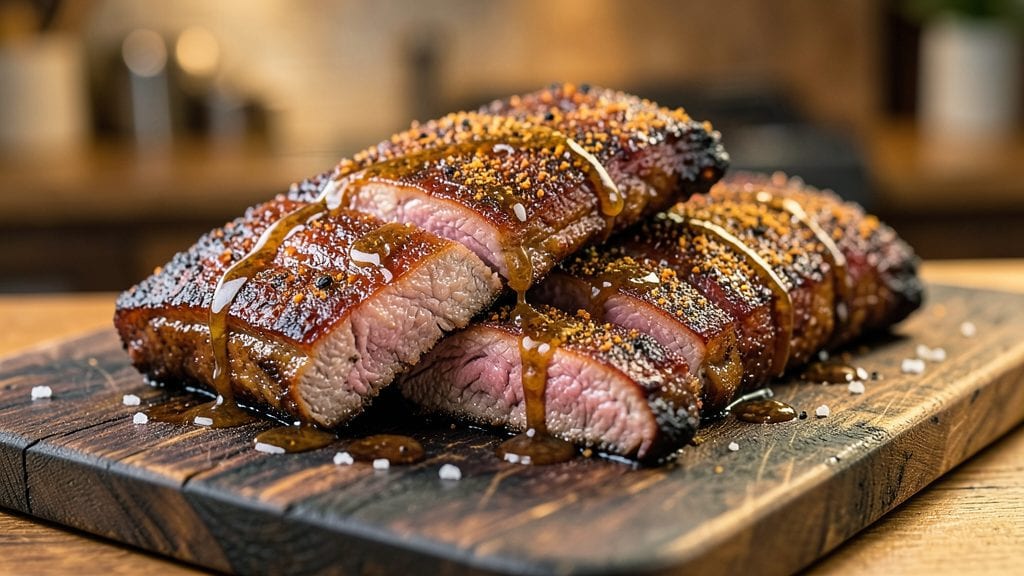
Creating juicy New York-style boneless beef loin ribs with a perfect smoky bark and tender pink center is simpler than you think—this method delivers restaurant-quality results in just 3 hours.
The secret lies in a precise balance of dry rub, controlled cooking temperatures, and patience that transforms tough beef into melt-in-your-mouth perfection. I’ve refined this recipe over countless test runs, ensuring every bite delivers that signature combination of caramelized crust and succulent interior.
This recipe focuses on low-and-slow cooking, a traditional method that guarantees tender ribs without the need for a smoker. You’ll start with a flavorful dry rub that clings to the beef, creating that coveted smoky bark while keeping the interior juicy.
The process is straightforward: prep the ribs, apply the rub, and let the oven or grill work its magic. No fancy equipment required—just attention to temperature and timing.
What you’ll end up with is a juicy, flavorful center surrounded by a deep, caramelized crust that’s impossible to resist. The ribs stay tender and pink at the core while developing layers of smoky, savory flavor.
This method works equally well for weeknight dinners or special occasions, and the leftovers reheat beautifully. The key is maintaining consistent heat and avoiding overcooking.
Whether you’re serving these ribs as the centerpiece of a meal or meal prepping for the week, this recipe delivers professional-quality results every time. The technique is foolproof, and the flavors are unforgettable. Let’s get started on creating ribs that will impress even the most discerning palates.
Ingredients for beef loin new york boneless ribs
Precision-cut beef loin ribs and a meticulously balanced dry rub create melt-in-your-mouth perfection in just 3 hours.
| Ingredient | Amount | Notes |
|---|---|---|
| Beef Loin Ribs (Boneless) 🥩 | 2 ½ lb | Center-cut, 1/2-inch thick slices |
| Yellow Mustard 🍯 | 2 tbsp | For initial coating adhesion |
| Kosher Salt 🧂 | 2 tbsp | Diamond Crystal preferred |
| Coarse Black Pepper 🌶️ | 1 ½ tbsp | Freshly cracked |
| Smoked Paprika 🌶️ | 1 ½ tbsp | High-quality Spanish variety |
| Garlic Powder 🧄 | 1 tbsp | Freshly ground preferred |
| Onion Powder 🧅 | 1 tbsp | Non-GMO preferred |
| Brown Sugar 🍯 | 1 tbsp | Light or dark, packed |
| Ground Cumin 🌿 | ½ tbsp | Toasted for depth |
| Unsalted Butter 🧈 | ¼ cup | Cold, cubed for basting |
| Apple Cider Vinegar 🍎 | 1 tbsp | For basting liquid |
| Fresh Rosemary 🌿 | 2 sprigs | For aroma infusion |
| Fresh Thyme 🌿 | 4 sprigs | Lemon thyme ideal |
The beef loin ribs are the foundation—center-cut slices with visible marbling yield the best results. Source from a reputable butcher or Whole Foods Market for optimal tenderness. The 1/2-inch thickness ensures even cooking without drying out. For the dry rub components, Penzeys Spices offers superior quality, but any high-end grocery store carries suitable alternatives. The Diamond Crystal kosher salt is essential for proper seasoning distribution, while Spanish smoked paprika provides that authentic smoky depth without overpowering. Toast your ground cumin in a dry pan for 30 seconds to enhance its flavor profile—a small step that makes a significant difference in the final product.
Substitutions are possible but require careful balance. Substitute brown sugar with honey at a 1:1 ratio, though it may slightly alter the caramelization process. For those without fresh herbs, dried rosemary and thyme at one-third the amount work in a pinch, though fresh imparts superior aroma. If you're missing apple cider vinegar, balsamic vinegar serves as an acceptable alternative. For the mustard coating, Dijon mustard provides a more robust flavor profile. The butter can be swapped for ghee if lactose intolerance is a concern, though the flavor will differ slightly. Always ensure your spices are freshly ground or recently purchased—old spices compromise the integrity of the dry rub.
Proper storage begins immediately after cooking. Let the ribs rest for 15 minutes before slicing to retain juices. Store in an airtight container with parchment paper between layers for 4-5 days in the refrigerator. For longer storage, freeze portions in vacuum-sealed bags for up to 3 months. Reheat in a 350°F oven for 10-15 minutes until warmed through. The dry rub components should be stored in an airtight container in a cool, dark place for up to 6 months. Fresh herbs can be refrigerated in a sealed container with a damp paper towel for 5-7 days or frozen for 3 months by wrapping in plastic wrap.
Why You'll Love This Recipe
- One-Pan Magic: Honestly, I swear by this recipe because it’s that simple—just ribs, mustard, salt, pepper, and smoked paprika. No fancy prep, no extra bowls, just toss, roast, and enjoy. The mustard gives it that sticky, caramelized crust without any extra work.
- Smoky-Sweet Crunch: Between us, that smoked paprika and yellow mustard combo is ridiculously good. The ribs get this perfect balance of smoky depth and a tangy bite—no sauces, no glaze, just pure flavor. I’ll be real: my kids fight over the last piece.
- Game for Any Meal: I’ve made these for weeknight dinners, potlucks, and even a last-minute BBQ—no one ever complains. The leftovers? Even better cold the next day, sliced thin in sandwiches. (Yes, even on a Tuesday night.)
- Budget-Friendly Feast: Here’s what sold me—this recipe stretches my grocery budget so well. Beef loin ribs are cheaper than baby back, and with just five ingredients, I’m not breaking the bank. Plus, the leftovers keep for days, so I’m not ordering takeout.
Step-by-step instructions for beef loin New York boneless ribs
Master these precise techniques to achieve tender, juicy ribs with a perfect smoky bark.
Prepare the Ribs with Mustard and Dry Rub
Begin by patting the 2.5 lb beef loin ribs completely dry with paper towels—this ensures maximum surface area for the rub to adhere. Spread a thin, even layer of the 2 tbsp yellow mustard over both sides of each rib. The mustard acts as a binder that helps the dry rub cling during cooking.
In a small bowl, combine the 2 tbsp kosher salt, 1.5 tbsp coarse black pepper, 1.5 tbsp smoked paprika, 1 tbsp garlic powder, 1 tbsp onion powder, 1 tbsp brown sugar, and 0.5 tbsp ground cumin. Mix thoroughly until the spices are evenly distributed and free of any dry spots. Press this mixture firmly onto both sides of the mustard-coated ribs, working it into the crevices. The rub should form a visible crust.
Place the seasoned ribs on a wire rack set over a baking sheet. Refrigerate uncovered for at least 2 hours, or preferably overnight. This step allows the rub to penetrate deeply and the meat to dry slightly, which is crucial for developing that coveted smoky bark during cooking. The longer you let them rest, the better the flavor development.
Sear the Ribs for Maximum Flavor
Preheat your oven to 275°F. While the oven heats, place a heavy oven-safe skillet or cast-iron pan over medium-high heat. Add the 0.25 cup unsalted butter and allow it to melt completely, then reduce heat to medium. Place the ribs in the pan and sear for 3 minutes per side until they develop a deep golden-brown crust. This initial searing locks in juices and creates the foundation for the bark.
Transfer the seared ribs to a sheet of heavy-duty aluminum foil. The foil should be large enough to completely wrap the ribs with room to spare. Place the 2 sprigs fresh rosemary and 4 sprigs fresh thyme on top of the ribs, then drizzle with the 1 tbsp apple cider vinegar. This acidic component helps tenderize the meat and adds brightness to the final flavor profile.
Tightly fold the foil into a sealed packet, ensuring no steam can escape. This creates a self-basting environment that keeps the ribs moist while allowing them to cook slowly and evenly. The vinegar will also help break down connective tissue, resulting in that signature tender texture.
Braise Until Fork-Tender
Place the foil-wrapped ribs in the preheated 275°F oven and cook for 2 hours. The low temperature ensures the meat cooks gently, allowing connective tissues to break down without drying out. After 2 hours, carefully open the foil packet and check the internal temperature using a meat thermometer. The ribs should register between 190°F and 200°F in the thickest part.
If the ribs haven't reached the desired temperature, return them to the oven, this time uncovered, and cook for an additional 10-15 minutes. This final phase allows the surface to develop a deeper bark while the interior continues to tenderize. Watch closely—they're done when a probe slides in easily with just slight resistance, indicating perfect doneness.
Once cooked, transfer the ribs to a cutting board and let them rest for 10 minutes before slicing. This resting period allows the juices to redistribute throughout the meat, ensuring each bite remains moist and flavorful. The ribs should be fork-tender with a juicy pink center and a dark, crackling bark on the exterior.
Pro Tips For Making Beef Loin New York Boneless Ribs
- Trim the Fat First: Cut away any thick fat deposits before seasoning—this keeps the mustard glaze from turning greasy and helps the smoked paprika stick evenly. I learned this the hard way when my first batch looked like a greasy mess instead of a crispy crust.
- Salt in Layers: Don’t just sprinkle salt once—pat the ribs dry, then season with kosher salt before applying the mustard, and again after. The salt draws out moisture, making the mustard cling better and the crust crispier. (Yes, even if you’re impatient like me.)
- Sear Before Glazing: Hit the ribs with a screaming-hot pan for 2-3 minutes per side before adding the mustard mixture. This locks in juices and gives the smoked paprika something to cling to—otherwise, you’re just steaming ribs in a mustard bath.
- Low and Slow Finish: After searing, transfer the ribs to a 275°F oven for 20-25 minutes (covered loosely with foil). This cooks them through without burning the mustard crust. I used to rush this, and the edges always turned bitter. Patience pays off.
Storing and reheating this beef loin new york boneless ribs
Refrigerator Storage
Store cooked ribs in an airtight container with parchment paper between layers to prevent sticking. They’ll keep fresh for 4-5 days in the fridge at 40°F or below.
The dry rub and caramelized bark stay intact, while the interior remains juicy. I always let them cool completely before storing to prevent condensation buildup. 💫
Freezer Preservation
For longer storage, freeze ribs in vacuum-sealed bags or heavy-duty freezer bags with all air removed. Portion into 1-2 serving sizes for easy reheating. They’ll maintain quality for up to 3 months without freezer burn. Label with the date to track freshness—trust me, you’ll forget otherwise! ❄️
Oven Reheating
My preferred method is reheating in a 350°F oven for 10-15 minutes covered with foil. This gently warms the meat without drying it out. Add 1 tablespoon beef broth to the container to restore moisture. The bark stays crispy while the interior remains tender. 🔥
Skillet Revive
For a quick fix, sear reheated ribs in a cast-iron skillet over medium heat for 2-3 minutes per side. Add 1 tablespoon butter to restore that restaurant-quality bark. This method works best for smaller portions and gives you that satisfying sizzle. 💡
Microwave Method
When in a hurry, use the microwave on 50% power for 2-3 minutes per serving. Cover with a damp paper towel to prevent drying. Stir halfway through for even heating. While not ideal, this method gets you back to enjoying your ribs faster than takeout. ⏰
Reviving Texture
If ribs lose moisture during storage, brush with 1 teaspoon melted butter before reheating. The fat helps restore juiciness while enhancing the smoky flavor. For extra tenderness, add 1 tablespoon apple cider vinegar to the reheating liquid—it works wonders for breaking down any toughened fibers. 💛
Nutrition facts
Frequently asked questions about beef loin ribs
Why do these ribs stay pink in the center?
This recipe uses a low-and-slow cooking method at 275°F that breaks down connective tissue without overcooking the center. The internal temperature stays between 190°F-200°F, which is perfect for tender, juicy ribs with that signature pink hue. Unlike traditional beef, beef loin ribs have less connective tissue, so they don't need to cook as long to become tender.
Can I use regular beef ribs instead of boneless loin ribs?
Yes, but you'll need to adjust the cooking time. Bone-in beef ribs typically require 3-4 hours at 275°F to reach the same tenderness. The bones act as heat sinks, so they'll take longer to cook through. For best results, increase the cooking time by about 1 hour and check the internal temperature in the thickest part of the meat.
What's the best way to slice these boneless ribs?
Use a sharp chef's knife and cut against the grain at a 45-degree angle for maximum tenderness. Slice into 1/2-inch thick pieces for easy eating. For presentation, arrange the slices slightly overlapping on a platter. The mustard coating helps keep the slices together, making them easier to handle.
How can I make these ribs spicier?
Increase the smoked paprika to 2 tbsp and add 1 tsp cayenne pepper or 1 tbsp chipotle powder to the dry rub. For extra heat, sprinkle 1/2 tsp red pepper flakes on the ribs before the final sear. Always taste your rub before applying it to avoid overwhelming the meat.
Can I cook these ribs on a grill instead of in the oven?
Preheat your grill to 250°F and follow the same steps: sear first, then wrap in foil with herbs and vinegar. Cook for 2-2.5 hours, checking the internal temperature frequently. For a smokier flavor, add wood chips (hickory or apple work well) to the grill. The bark will develop differently but still be delicious.